来者等看山色青 Blueless Blue
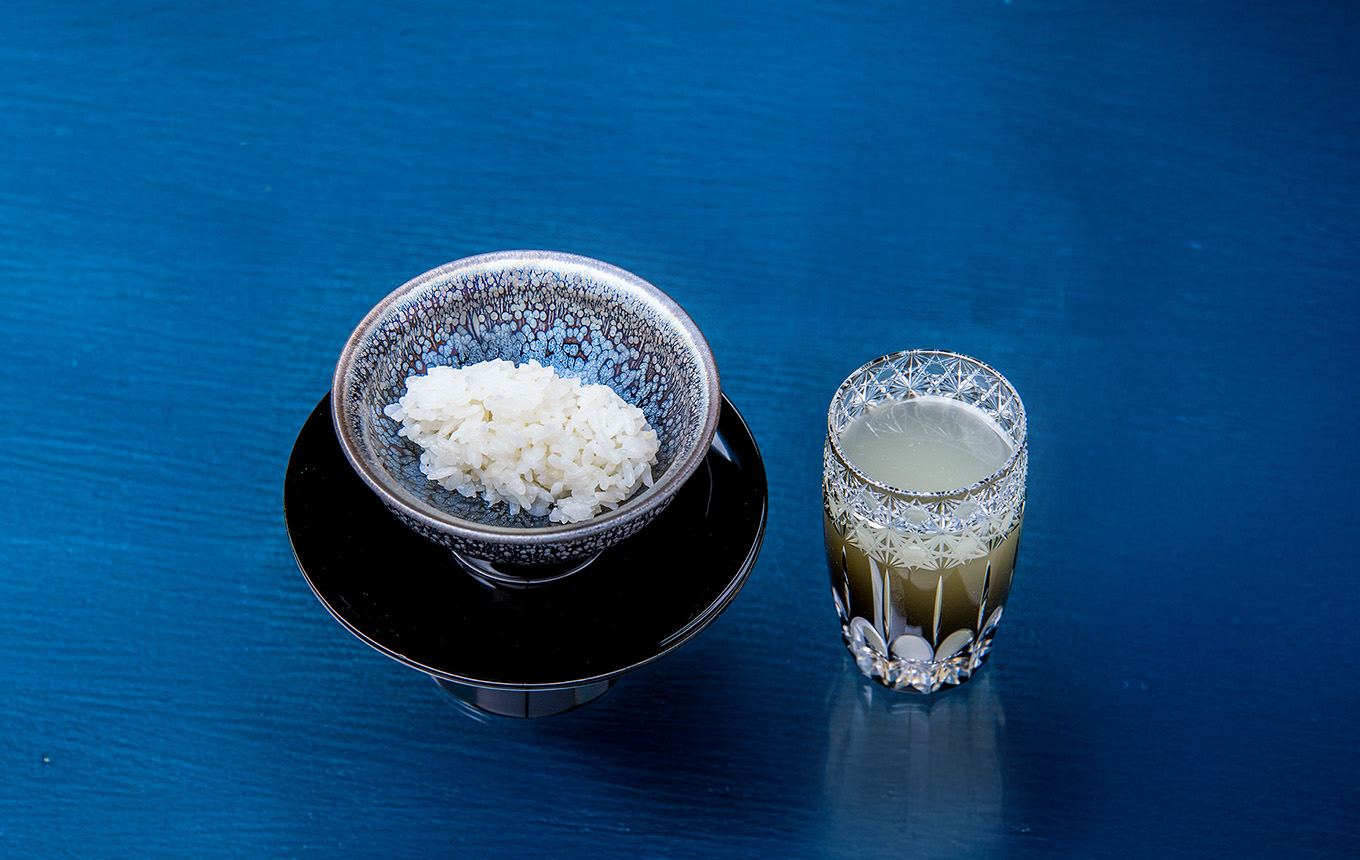
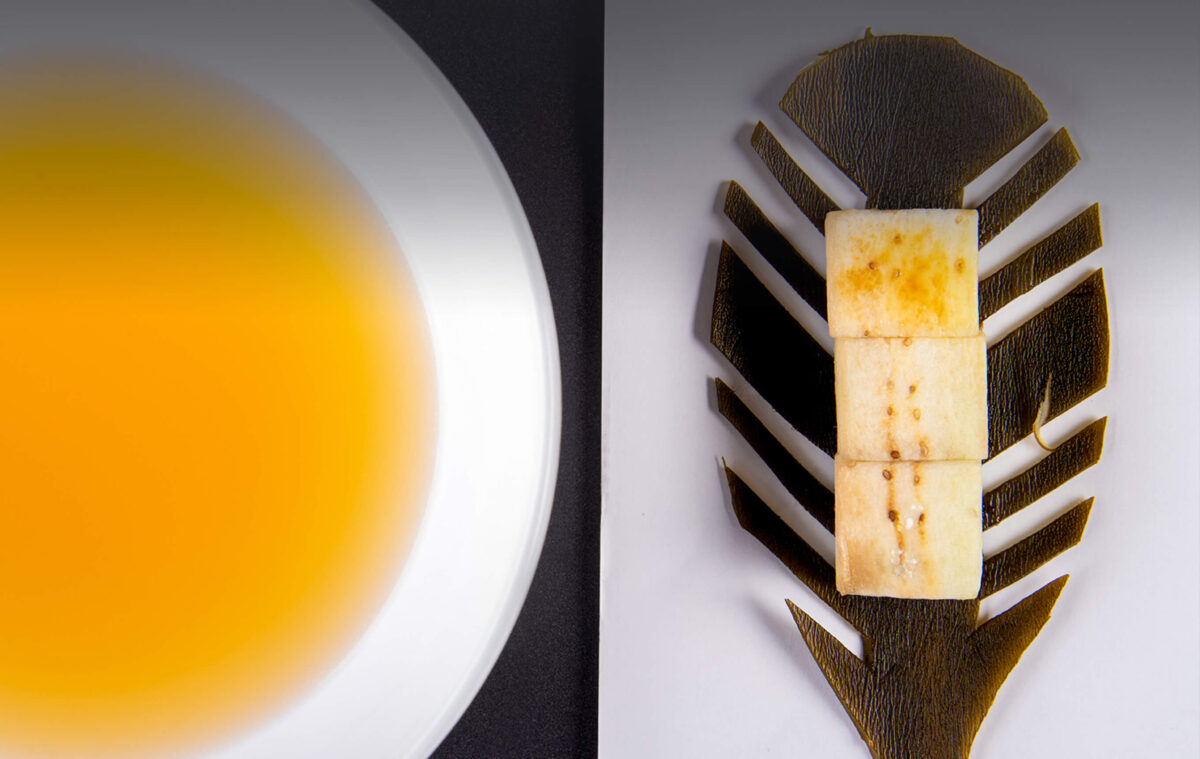
白富士椀と昆布
“YAKUZEN” CONSOMME
Blueless Blue
概要
修行中の弟を訪ねて福井県にある宝慶寺を参拝した際、入り口にこの禅語が木彫で飾ってありました。お寺を案内してくれた弟からその意味するところの一部を聞いたところ、このような雪深い山奥のお寺でも、禅をすることによって「青」が外の自然になくとも「青」を感じるというものがあります。自分の料理をわざわざ食べに来てくださるお客様にも、自分が宝慶寺で見て感じたものと同じような新しい小さな気づきの体験を食を通じて作り上げたい。その思いからこの料理は生まれました。
器
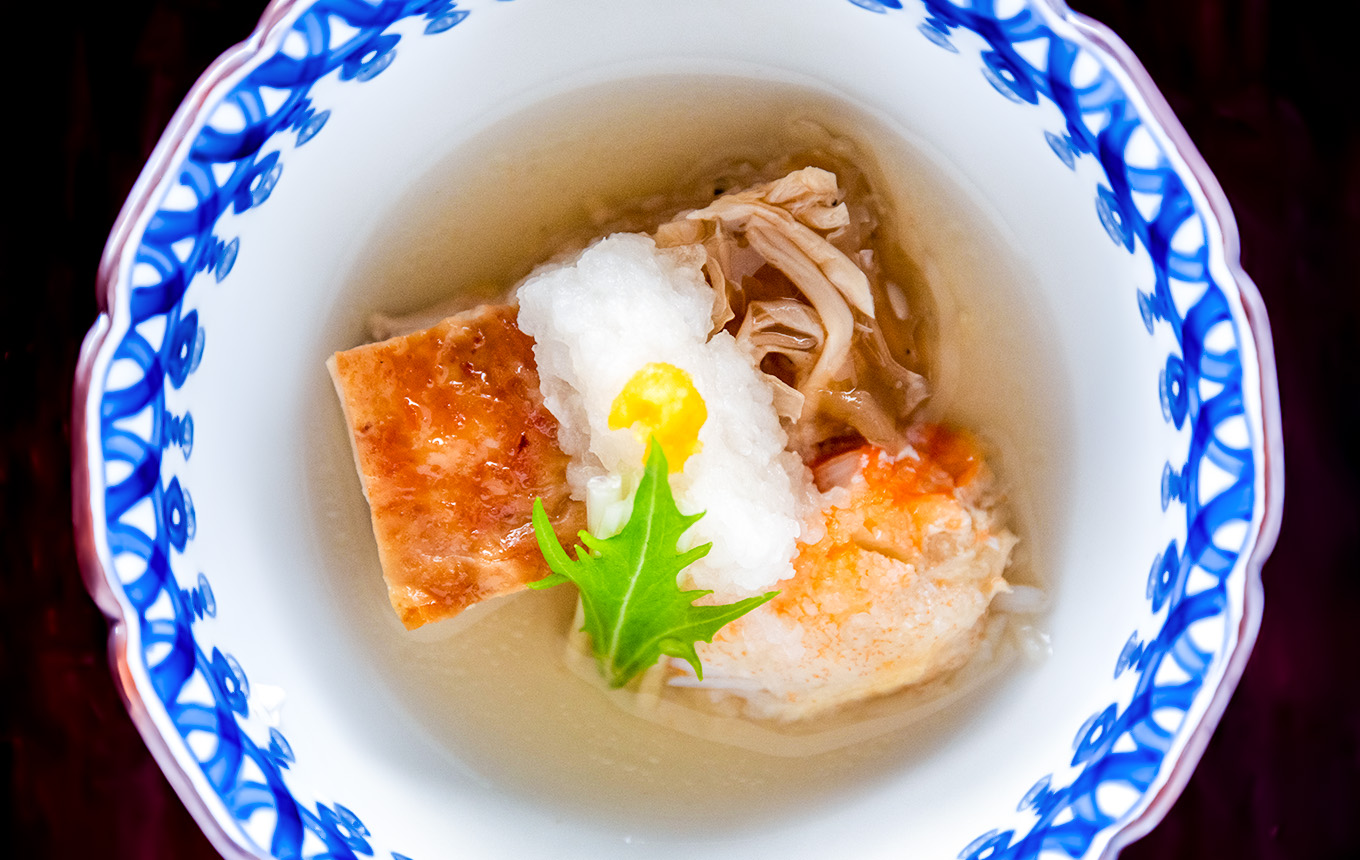
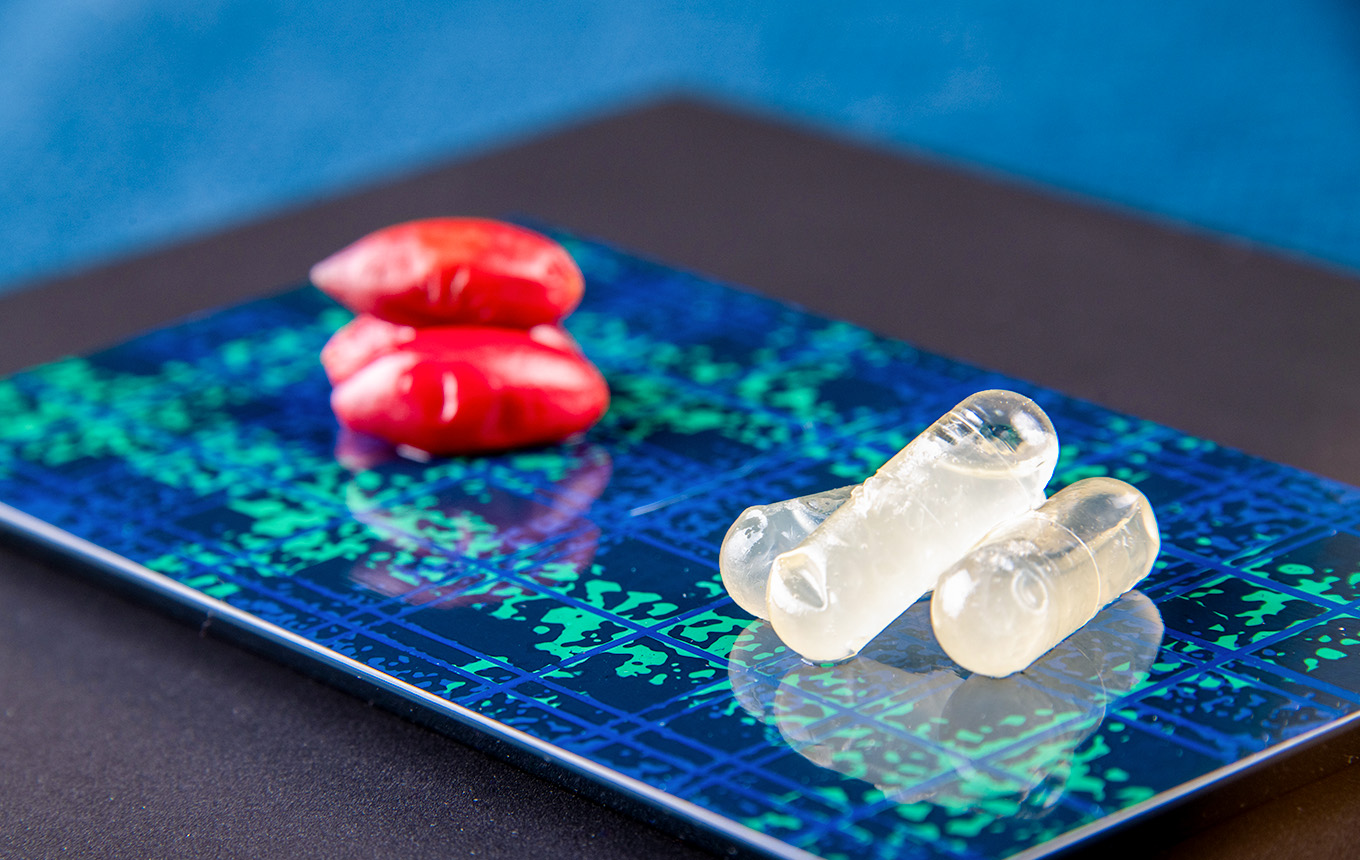
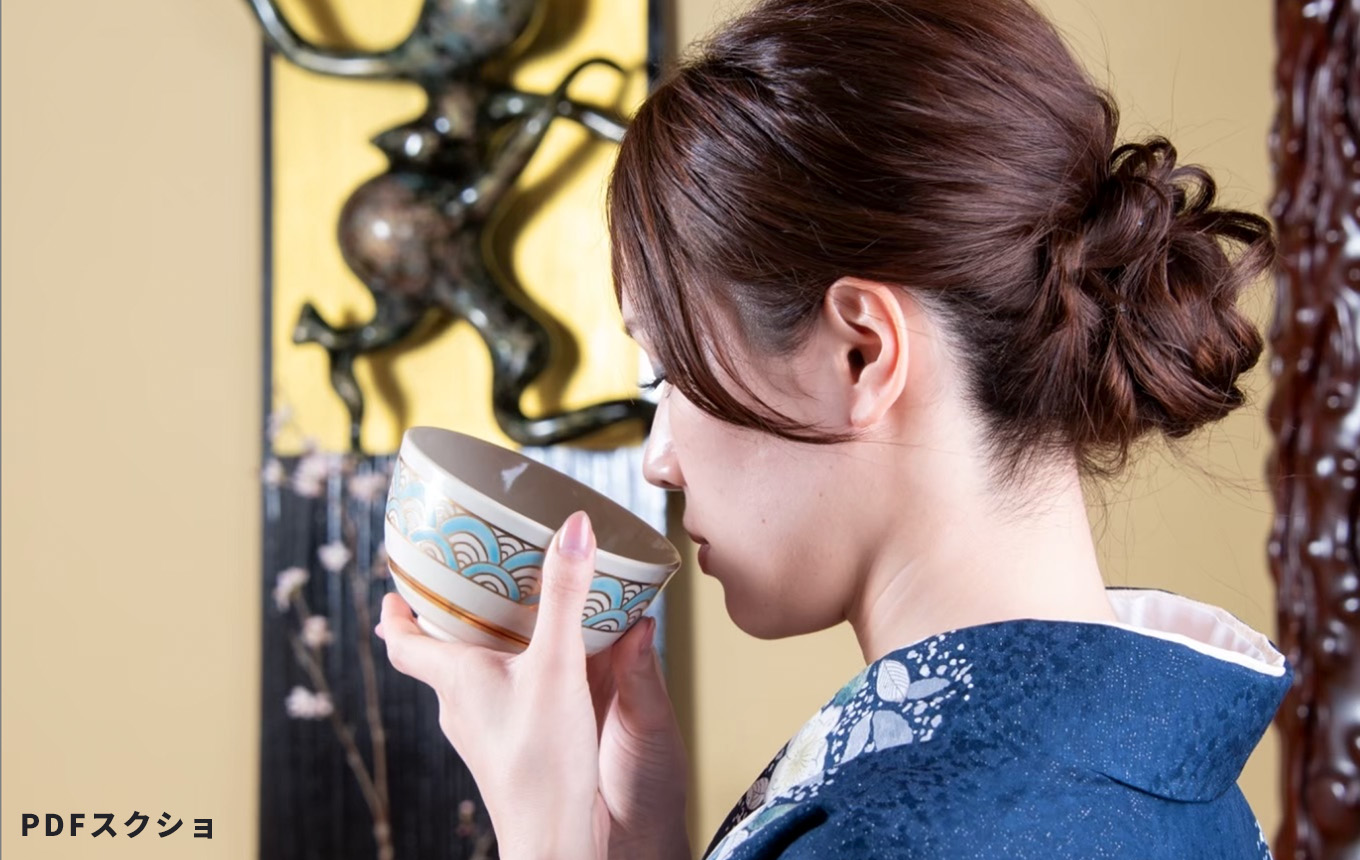
白い富士椀、黒い鳥の羽を模した昆布、そして茄子によって、「富士鷹茄子」という日本の有名な縁起物を説明したことわざとかけています。この諺から富士山のお椀を受けて頭の中に青を連想し、すっぽん澄んだ出汁を飲みイメージするすっぽんの緑色と合わせて、「来者等看山色青」が完成します。
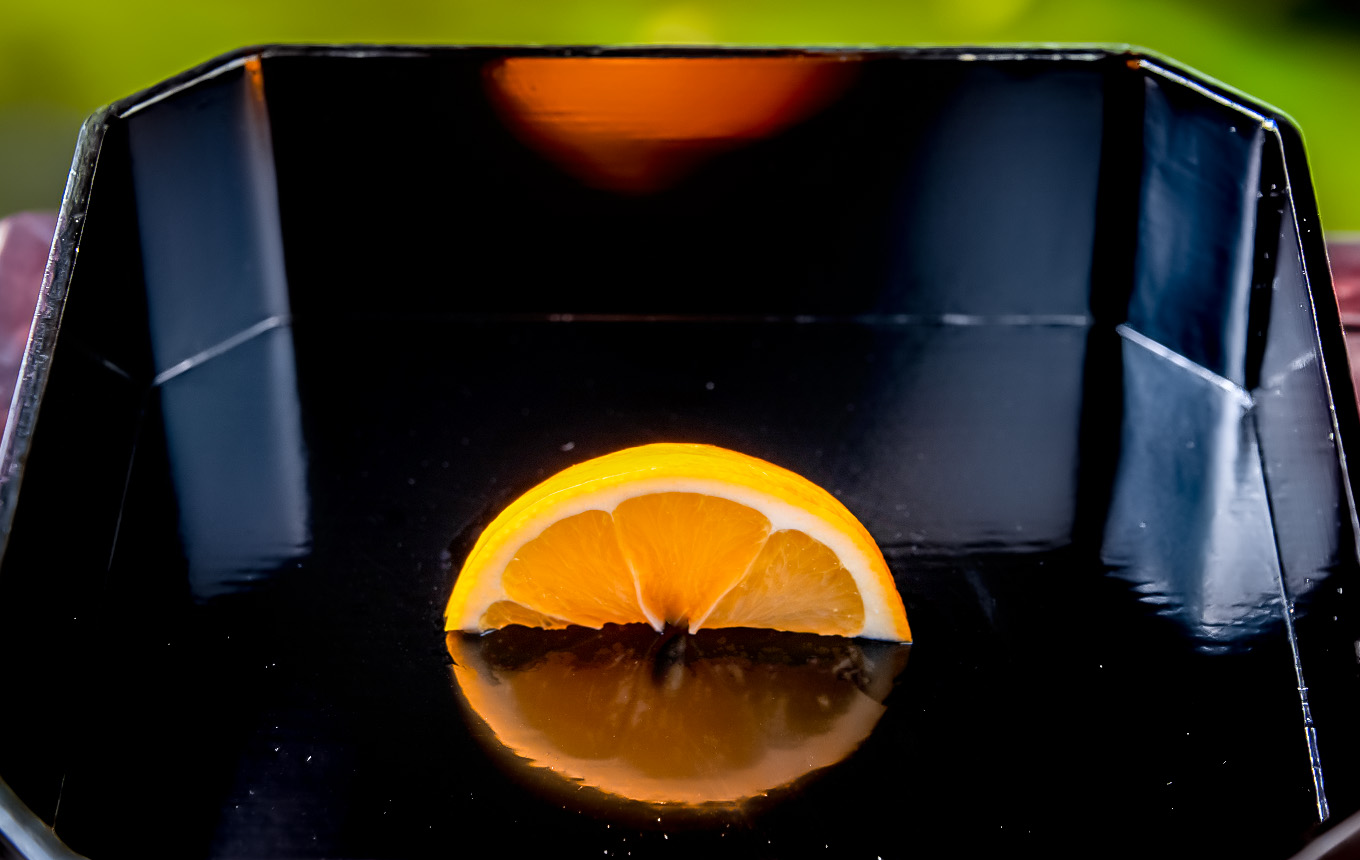
八寸で導入した陰陽の概念をさらにわかりやすく強調するために、黒白対応した背景にしています。また、このコース料理では四角と丸の器を交互に使い、陰陽を分かりやすく意識した器選びと盛り付けにしています。
料理
お吸い物
部養鼈場の、淡水と海水が交わる養殖所で通常の3倍ほど時間をかけて育てたすっぽんを血抜きした後下処理をほどこし、温泉水と海塩、薬膳スパイスでとろみがつくまで濃縮したコンソメになります。
椀種
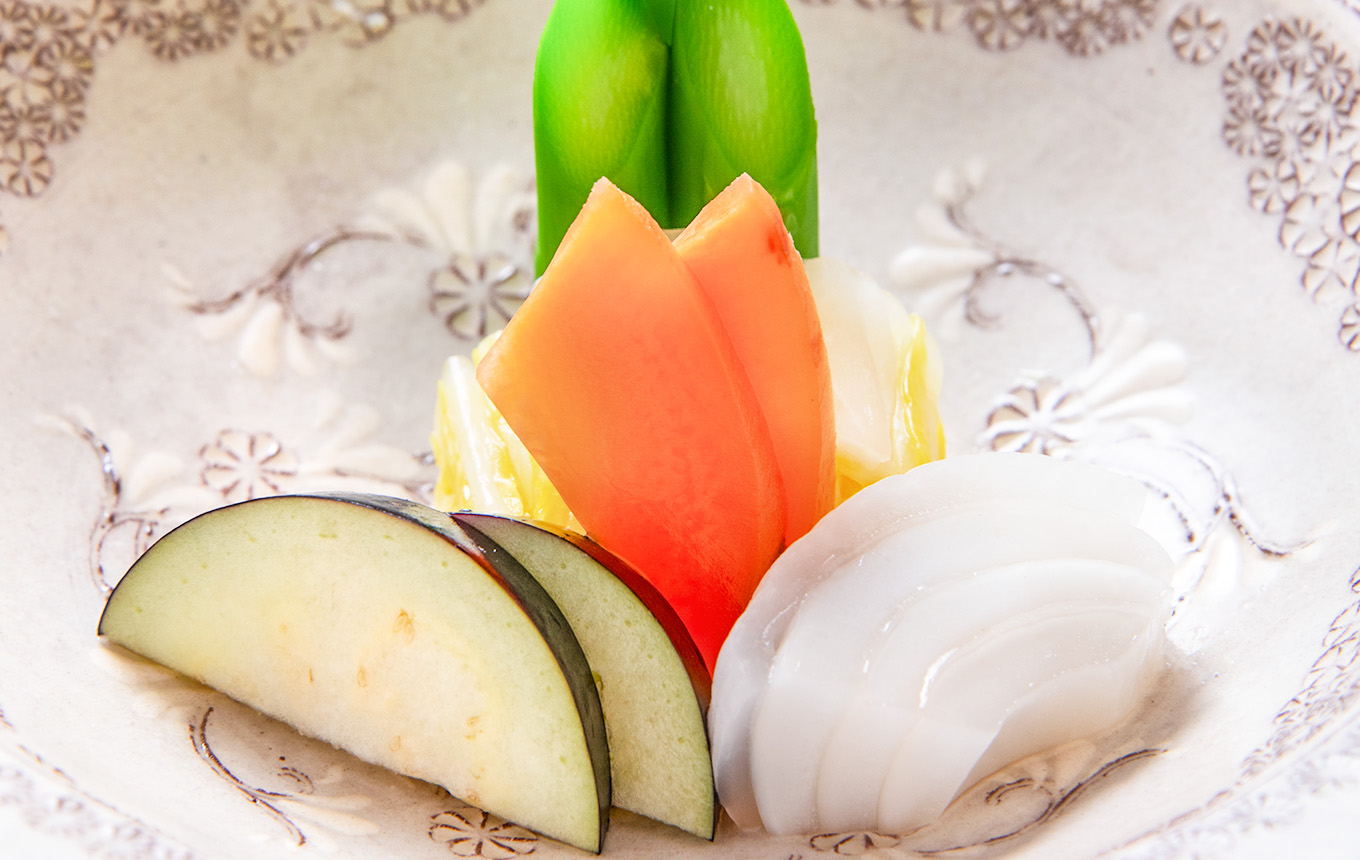
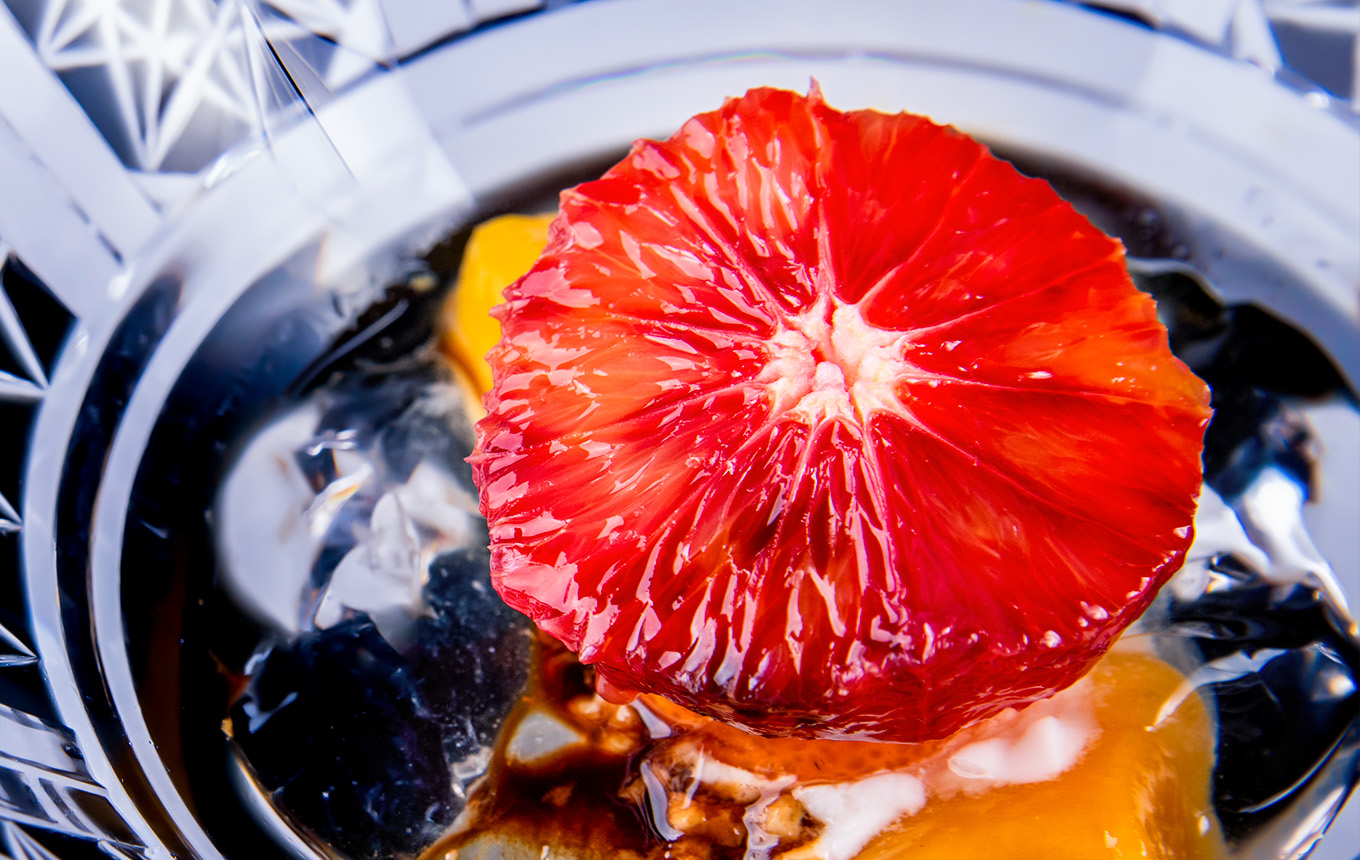
焼き茄子の羊羹です。3分割にして、味付けを塩、醤油、すだちにしています。
議論
日本の伝統的な懐石料理のお吸い物は、フレンチのスープと違い、一口目で物足りなく、2口目でまあまあ、3口目で調和するという、ひと椀のスープの中に味が徐々に変わっていくというストーリーがあるものだけれど、王道で出すと外国人の舌には基本伝わらないです。その伝統の枠組みを踏まえた上で、自分なりの日本のコンソメとして発信するために、椀種の方に味の変化をつけて、土瓶蒸しのように途中からお客さまがすだちをしぼり味を変えるような感じを、必ず通るコースの流れとして組み込んだもの。そして2品目からこの3品目と進行する中で、出汁自体にも3種類の変化が生まれ、出汁と合わせるものも3つ変化する楽しみを与えます。
Overview
While visiting Hōkyō-ji Temple in Fukui Prefecture to see my younger brother during his Zen training, I noticed a Zen phrase carved in wood at the temple entrance.
When my brother explained part of its meaning, he told me that even in a snowbound, deep mountain temple—where no greenery exists outside—through Zen practice one can still perceive “blue.”
I wanted to offer my guests, who make the effort to come specifically to experience my cuisine, a small moment of realization similar to what I felt at Hōkyō-ji.
This dish was born from the desire to create such an experience through food.
Vessel
A white Fuji-shaped bowl, kombu shaped like black bird feathers, and eggplant together reference the famous Japanese auspicious saying “Fuji, Hawk, Eggplant” (Fuji–Taka–Nasubi).
Receiving the Mount Fuji bowl evokes the color blue in the mind. Drinking the clear softshell turtle dashi, one imagines the green hue of the turtle itself.
Through the layering of these associations, the Zen phrase
“Kitarumono Hitoshiku Yamairono Aoki wo Miru” is completed as a sensory experience.
To further emphasize the Yin–Yang concept introduced in the Hassun course, the background is intentionally composed in black and white.
Throughout this course, square and round vessels are alternated to make the presence of Yin and Yang visually and intuitively clear through vessel selection and plating.
Dish
Soup
A softshell turtle consommé made from turtles raised at Hattori Yōbetsujō, an aquaculture facility where freshwater and seawater meet. The turtles are grown for approximately three times the usual duration.
After blood removal and careful preparation, the turtle is simmered with onsen water, sea salt, and medicinal spices, then reduced until it develops natural viscosity.
Soup Garnish
Grilled eggplant yōkan, cut into three portions and seasoned separately with:
- Salt
- Soy sauce
- Sudachi citrus
Discussion
In traditional Japanese kaiseki cuisine, osuimono differs fundamentally from French soup.
The first sip may feel understated, the second acceptable, and the third harmonious—within a single bowl, the flavor evolves gradually, creating a narrative arc.
However, when presented in its orthodox form, this progression often does not register clearly with international palates.
Respecting this traditional framework, I reinterpret the dish as a Japanese-style consommé by shifting flavor variation to the garnishes.
Much like dobin-mushi, where guests change the flavor mid-course by squeezing sudachi, this dish incorporates intentional, participatory flavor transformation as a required step within the course flow.
As the course progresses from the second to the third dish, three variations of dashi emerge, paired with three evolving accompaniments, allowing guests to experience the pleasure of transformation—not only in what is paired with the dashi, but in the dashi itself.