温故知新 Past, Present, and Future
北浦雄大 虎渓三笑 八寸盆
Yakimono
Past, Present, and Future
概要
祖父が亡くなる前に退院したら最後に一緒に食べたいと言っていて、叶えらえなかったものがうなぎです。そこから自分がより良いうなぎを料理することへの探究が生まれました。自分のうなぎ研究の集大成発表の一品です。焼き方を研究して行った結果、一つの焼き方がいいと決めつけたりこだわったりするのではなく、全てそれぞれに良さがあり、この提供方法でそのそれぞれの良さを知っていただけるという発表です。「虎渓三笑」がテーマです。
器
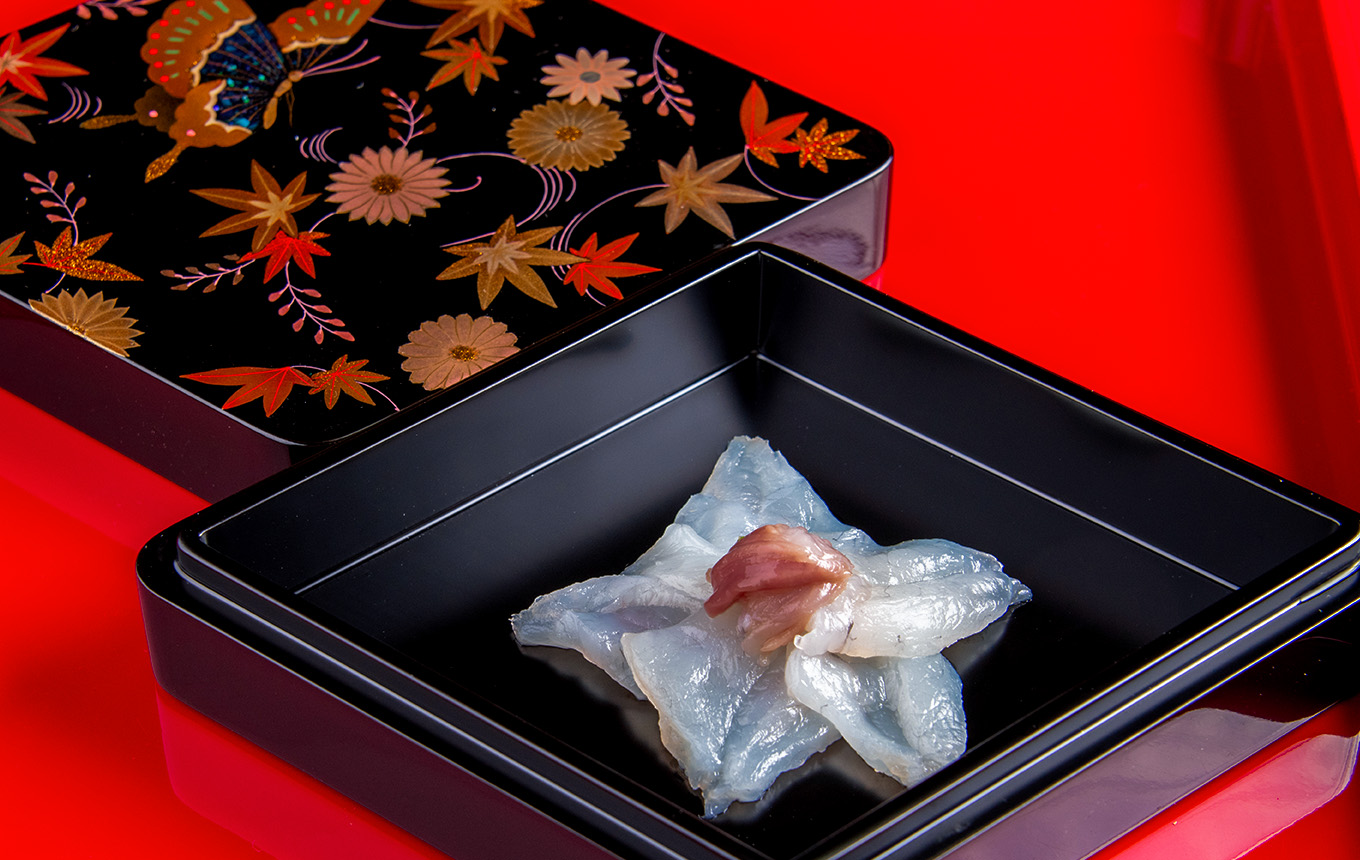
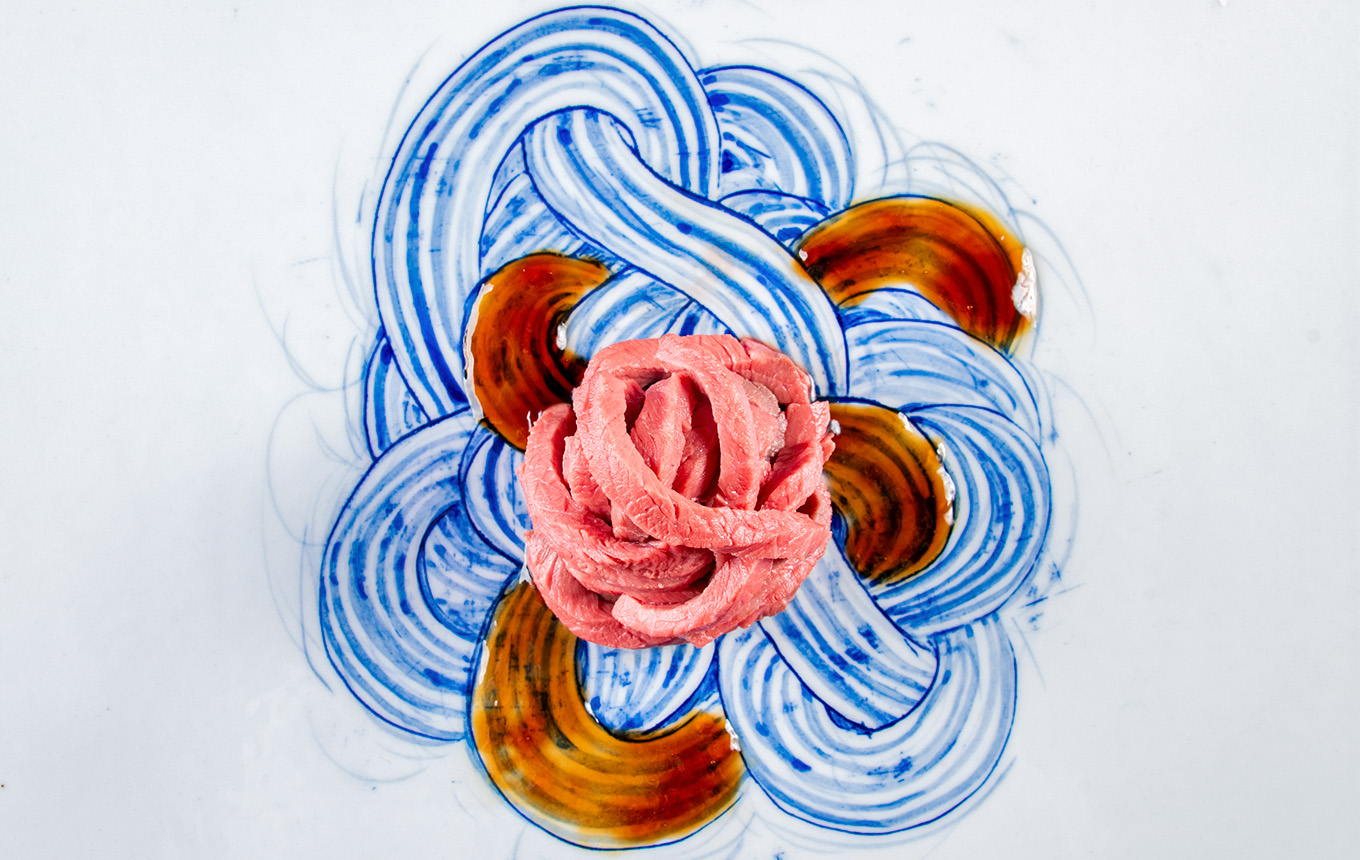
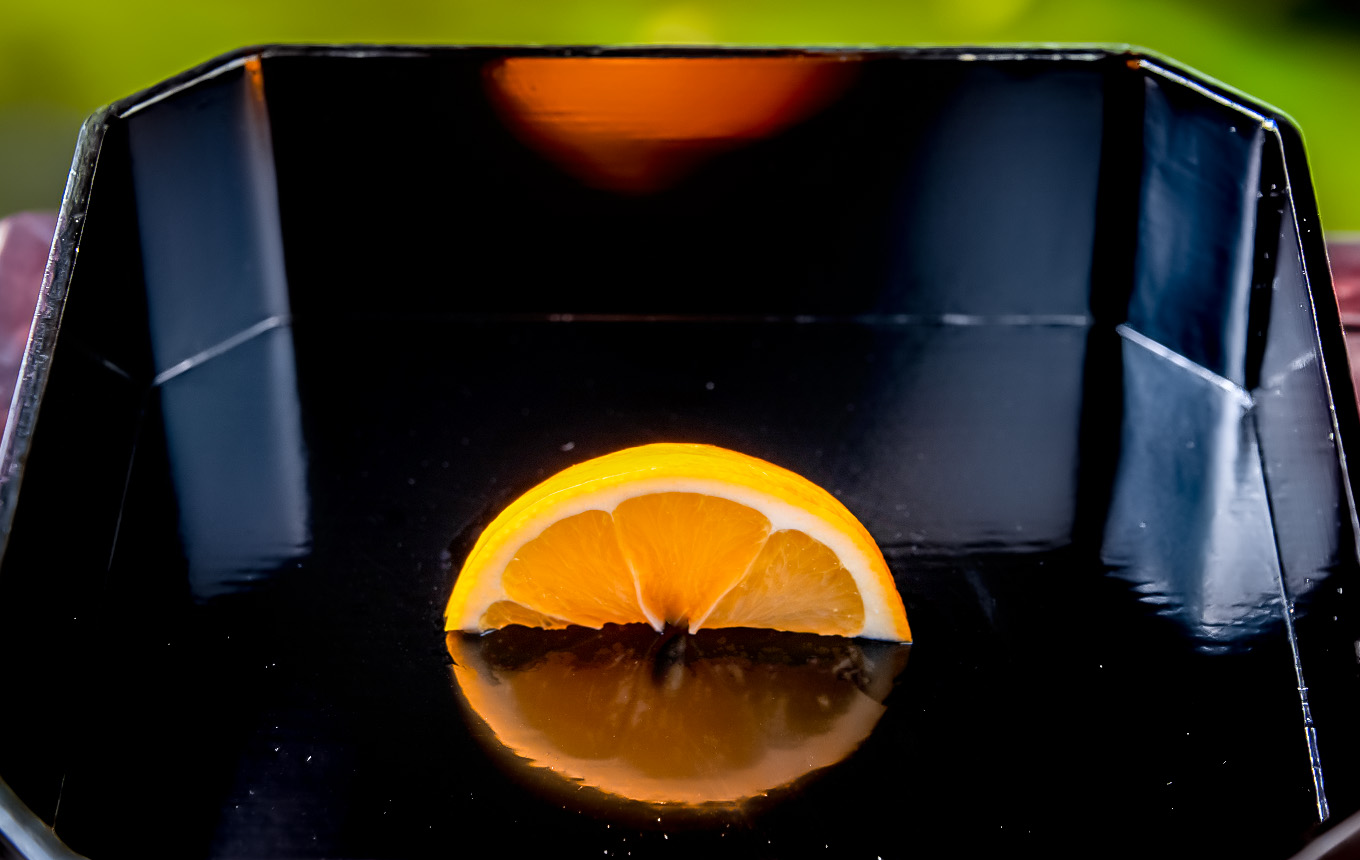
北浦雄大先生が初めて御製作した八寸盆になります。色々な思いがこもっており、器の裏側にまで心配りがされています。この対談に関しては別にYouTubeでアップロードします。
料理
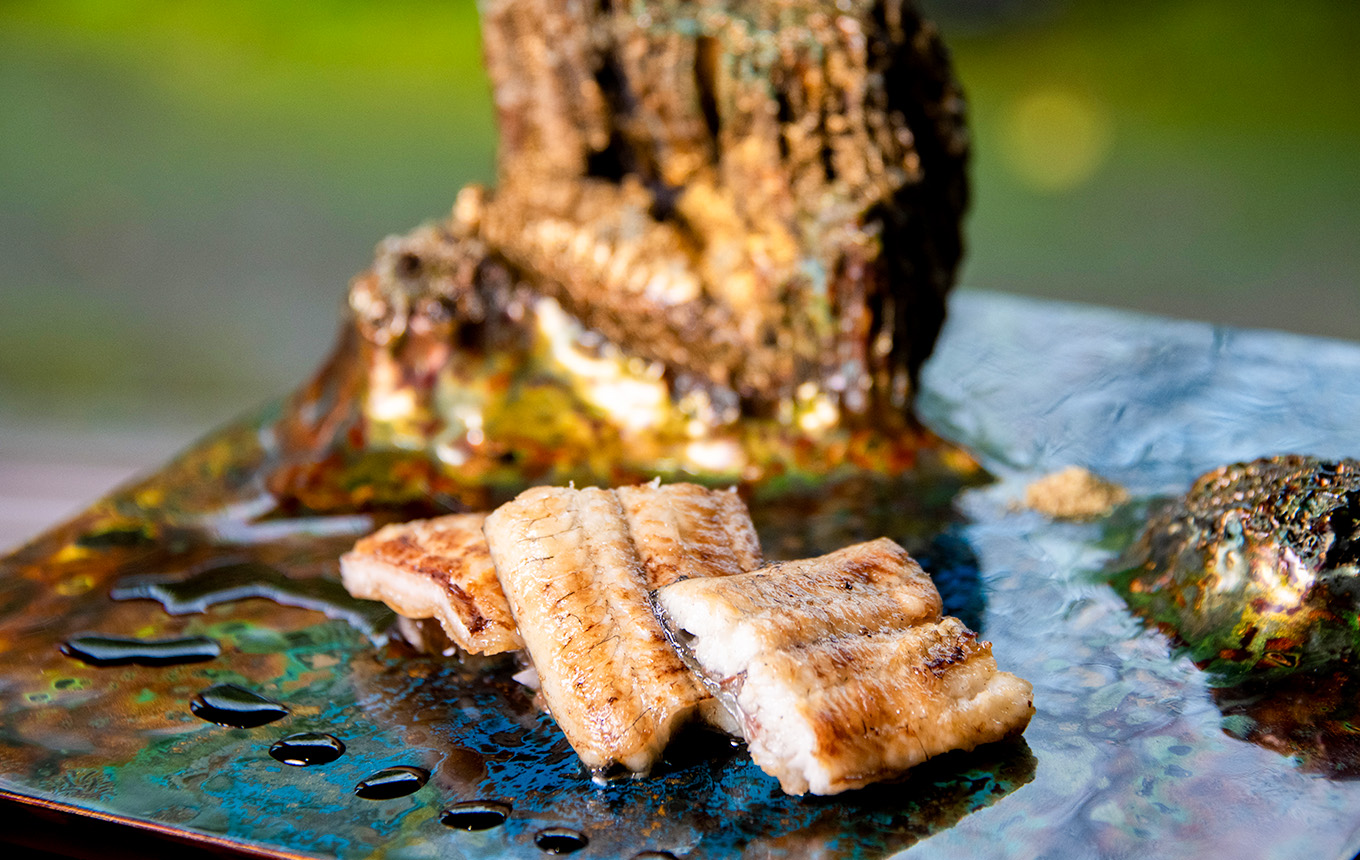
足跡を模した弧形のタレ、そして山と平地のつなぎめにおいた山椒をつけて食べると、何もなくなり、薬味、タレの「弧形山椒」でうなぎを楽しんでいただいた後に、芸術作品としての「虎渓三笑」でこのうなぎの一品をより楽しめます。みりんの20年熟成と醤油のフレッシュな香りの合わせも含めて、伝統技術と現代技術の融合がテーマです。
蒲焼
蒸し焼き、地焼き、こなしのうなぎ 計3切れで「三笑」をあらわしています。
うなぎ自体の下処理も、捌きたてではなく、寝かせた上に極薄塩で〆て旨みをブーストさせたものです。それぞれに特徴があるうなぎの伝統的な焼き方を、地焼き、蒸し焼き、こなしの順に食べ進めてもらうことで、新しい食体験を海外の皆様に提供することを目的としています。
タレ
二十年熟成黒味醂と、特別な醤油を使用したタレです。
あしらえ
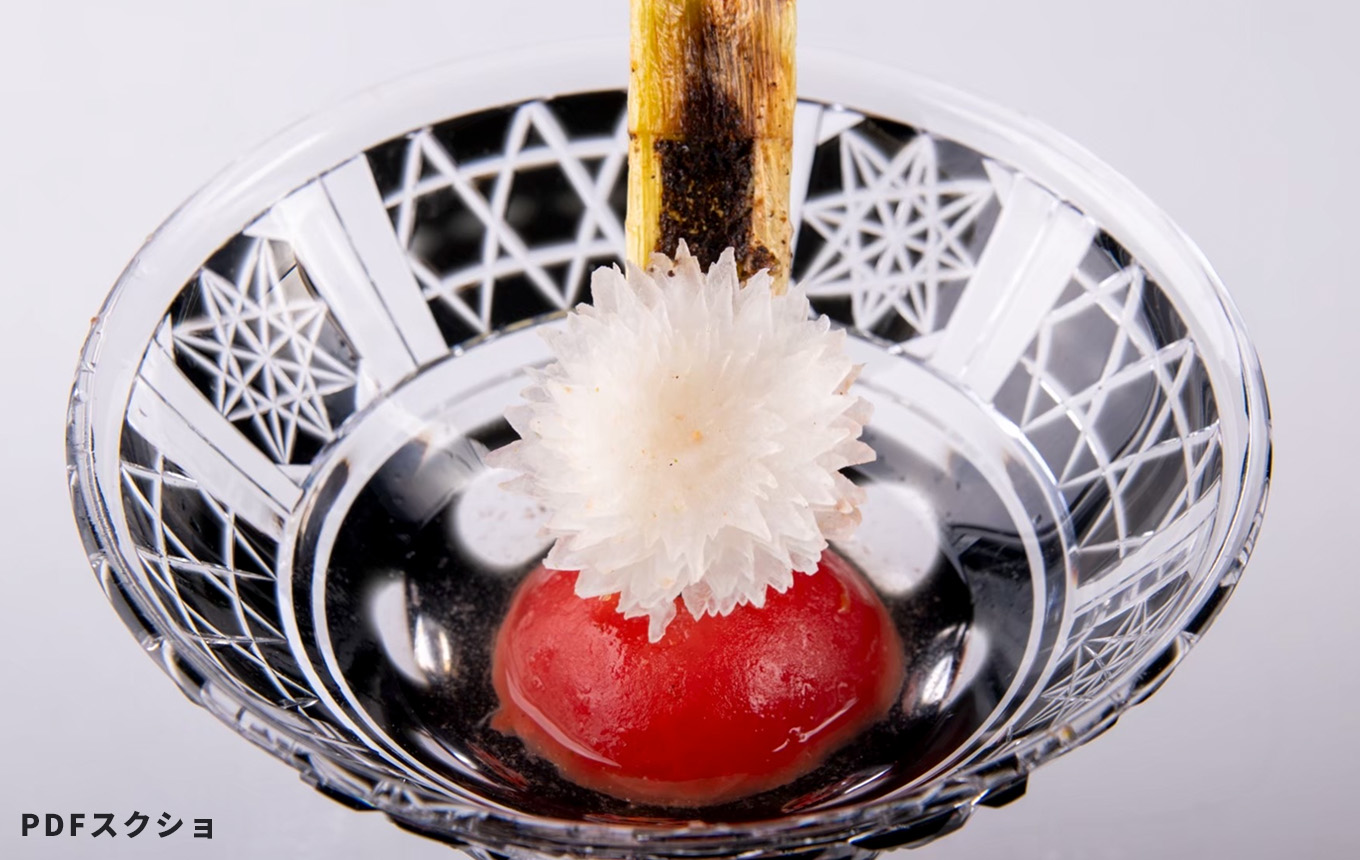
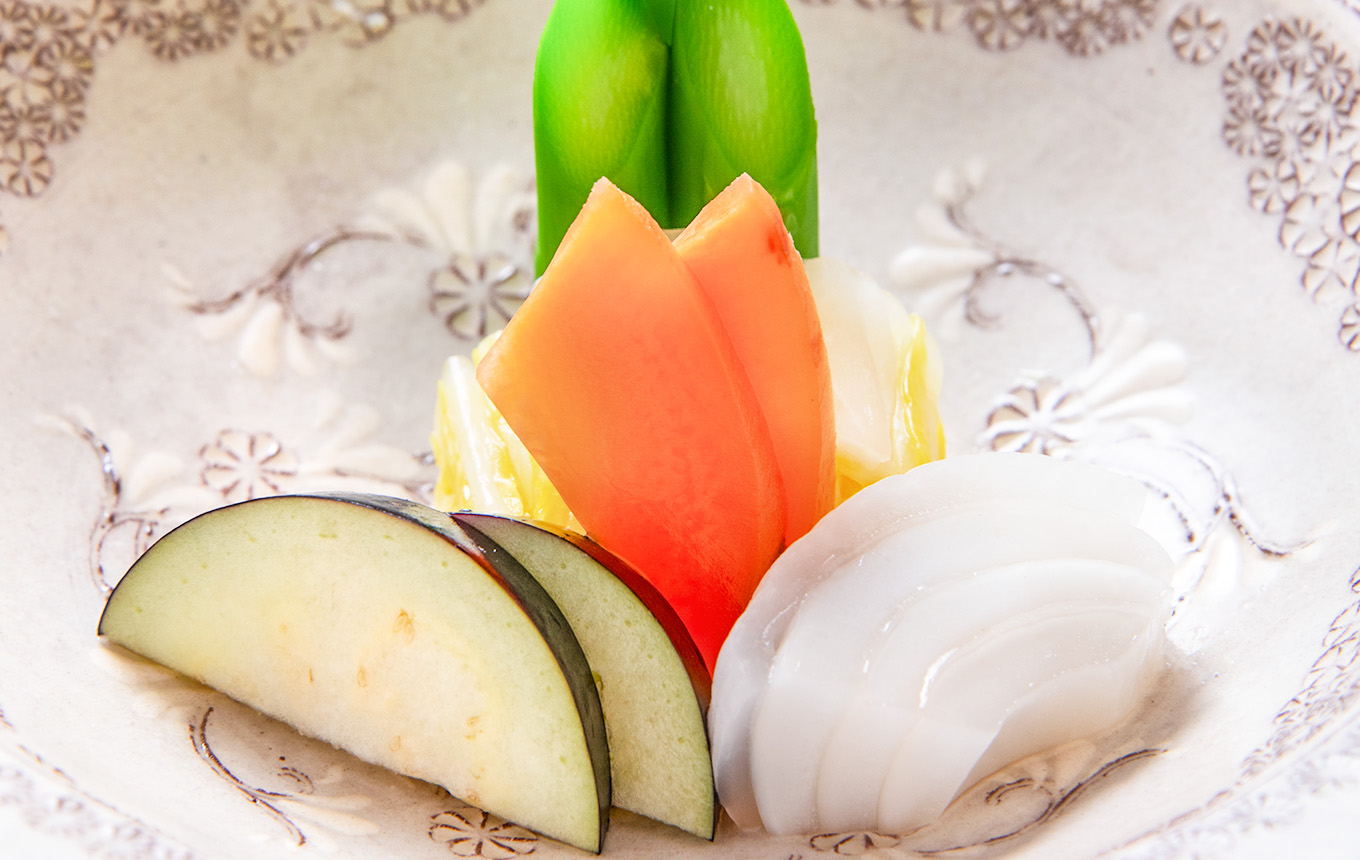
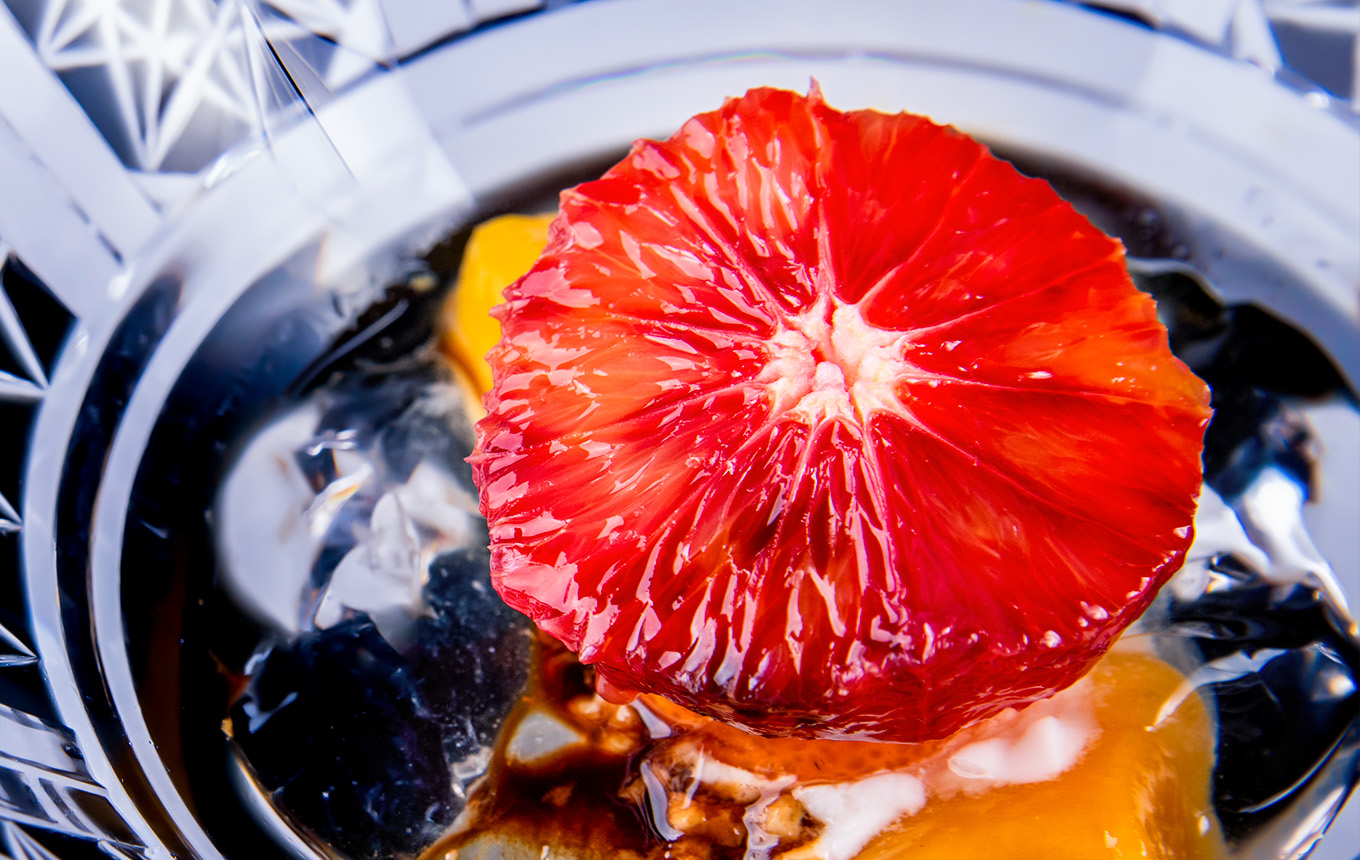
奈良漬と大根の鬼おろしと梅のポン酢和えのあしらえ
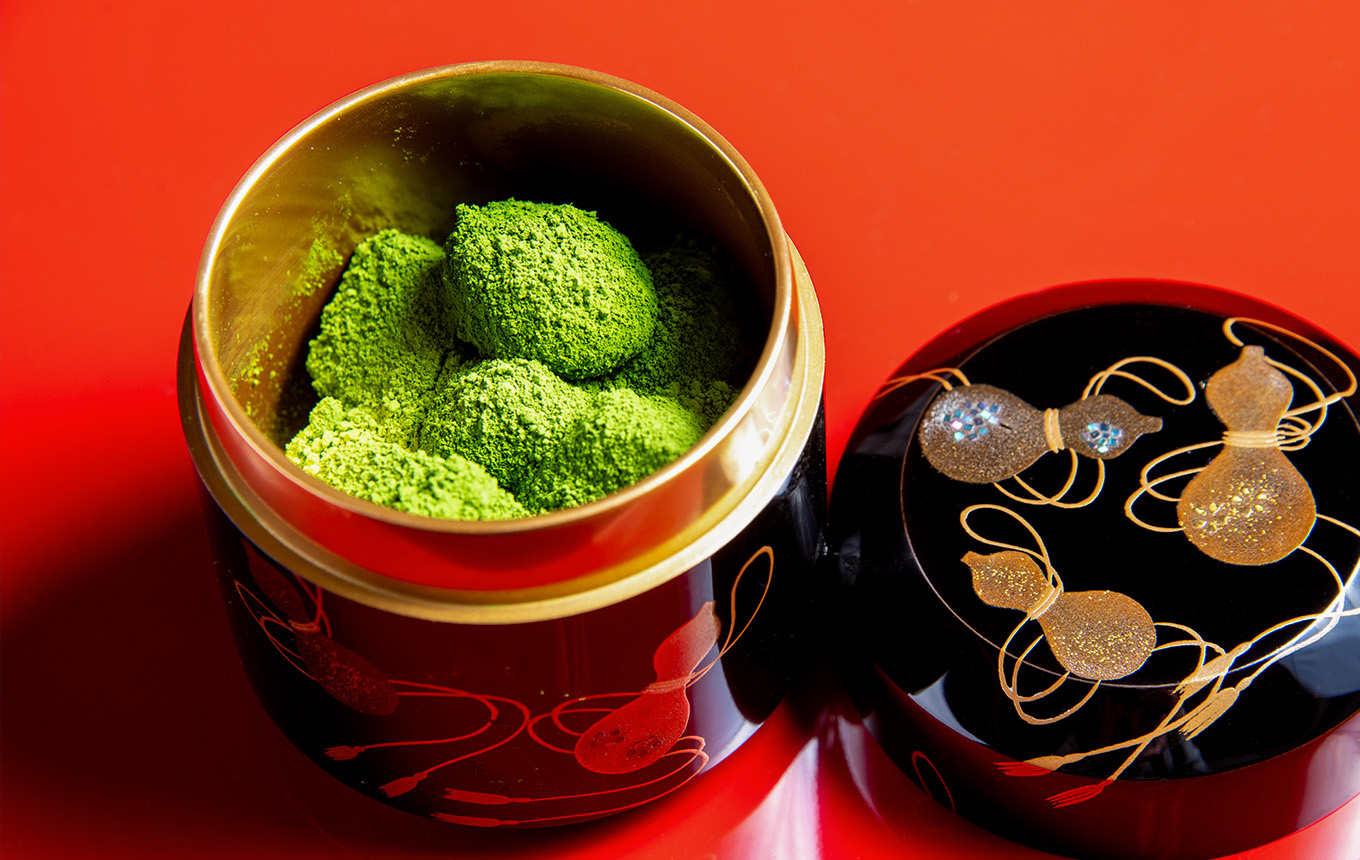
山椒の粉
議論
関西風、関東風それぞれ焼き方、開き方、タレに特徴があります。それに加えて、新たな技術であるこなしの技術があります。それらを複合して自分にとっての最良の料理方法で提供しています。実はこの器の裏側にも、北浦雄大先生からの一つの隠れたメッセージがあります。お楽しみに。
Overview
Before my grandfather passed away, he told me that once he was discharged from the hospital, the last thing he wanted to eat together was eel.
That wish was never fulfilled.
From that moment, my pursuit of cooking better eel began.
This dish is the culmination of my eel research—both personal and culinary.
Through years of studying different grilling methods, I arrived at one conclusion:
there is no single “correct” way to cook eel.
Each method has its own beauty, and this presentation allows guests to experience and understand those differences.
The theme of this dish is “Kokei Sanshō” (Three Laughs at Tiger Ravine)—a story of harmony beyond ideology.
Vessel
This is the first Hassun tray ever created by Urushi Artist Yudai Kitaura.
It is a vessel filled with intention, with care extending even to its underside.
A recorded dialogue about this tray will be released separately on YouTube.
Dish
A footprint-shaped arc of sauce is drawn on the plate.
When the eel is eaten with sanshō placed at the boundary between mountain and plain, everything momentarily disappears.
After enjoying the eel with condiments and the arc-shaped sanshō, the dish transitions into “Kokei Sanshō” as an art piece, allowing guests to experience the eel on a deeper, conceptual level.
The pairing of 20-year-aged mirin with the fresh aromatics of soy sauce expresses the fusion of traditional craftsmanship and modern technique.
Kabayaki — Three Cuts, Three Laughs
- Steamed-grilled eel (Edo-style)
- Directly grilled eel (Kansai-style)
- Konashi-style eel (modern technique)
These three cuts represent the “three laughs.”
The eel itself is not cooked immediately after filleting. Instead, it is rested and lightly cured with ultra-fine salt to boost umami before cooking.
By progressing through the eel in the order of direct grilling → steamed grilling → konashi, guests are guided through a new eel experience—one designed especially for an international audience.
Sauce
A tare made from 20-year-aged black mirin and a specially selected soy sauce.
Accompaniments
- Narazuke pickles
- Daikon grated with oni-oroshi, dressed with ume-ponzu
Ground sanshō pepper
Discussion
Kansai-style and Kantō-style eel each have distinct approaches to filleting, grilling, and sauce.
In addition, the konashi technique represents a new evolution.
By integrating all of these methods, I present what I believe to be the best possible expression of eel.
There is, in fact, a hidden message from Professor Kitaura on the underside of this tray.
I invite guests to discover it for themselves.