眼横鼻直 鼻 Vertical Matrix - The Curse of The Black Pearl
北浦雄大 海の境界
Delicacy Plate I
Vertical Matrix – The Curse of The Black Pearl
概要
特別皿一とニのテーマは2つあり、一つが海と山です。そして二つ目が、特別皿一では食材を、二では調理法を、掘り下げるという意味での縦と横です。
器
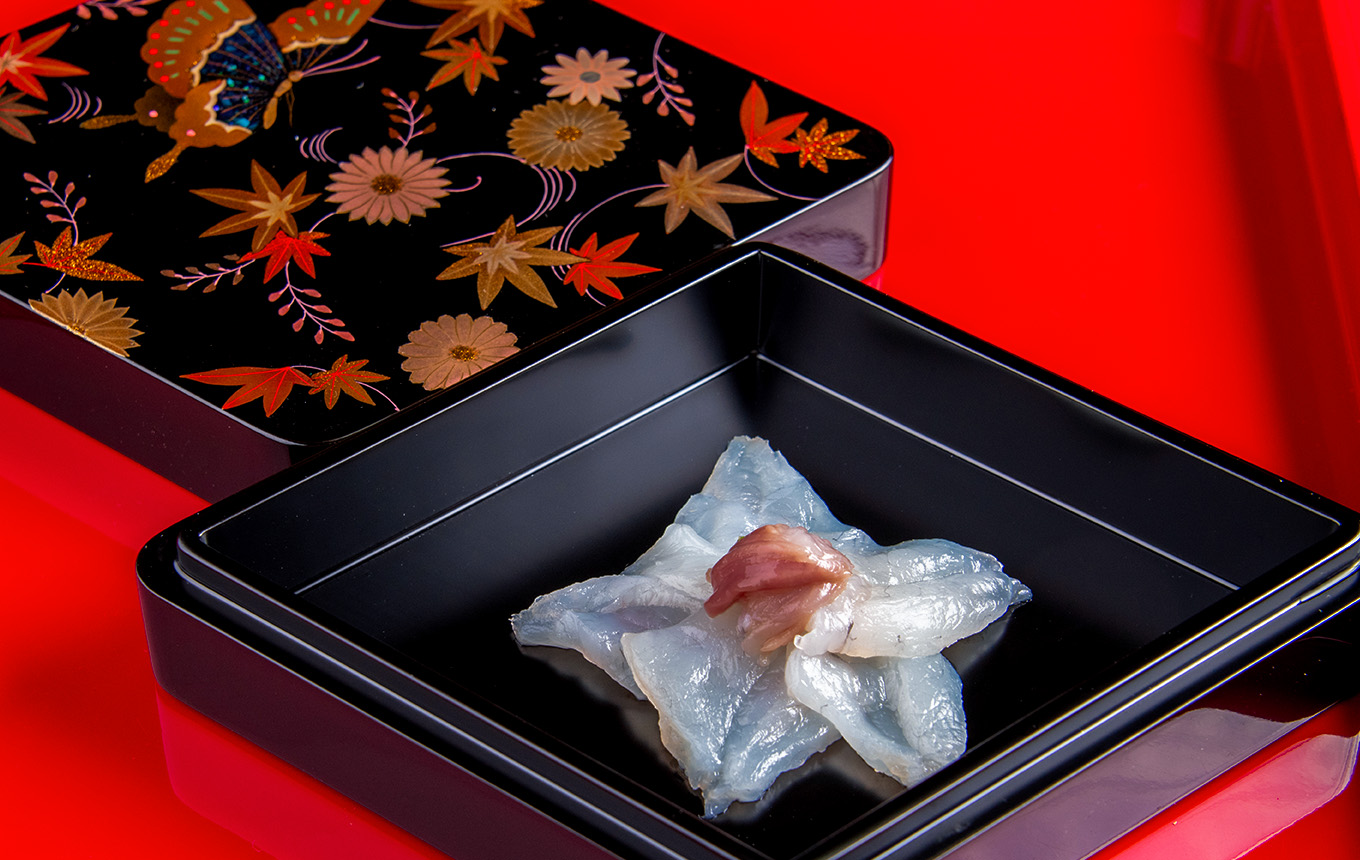
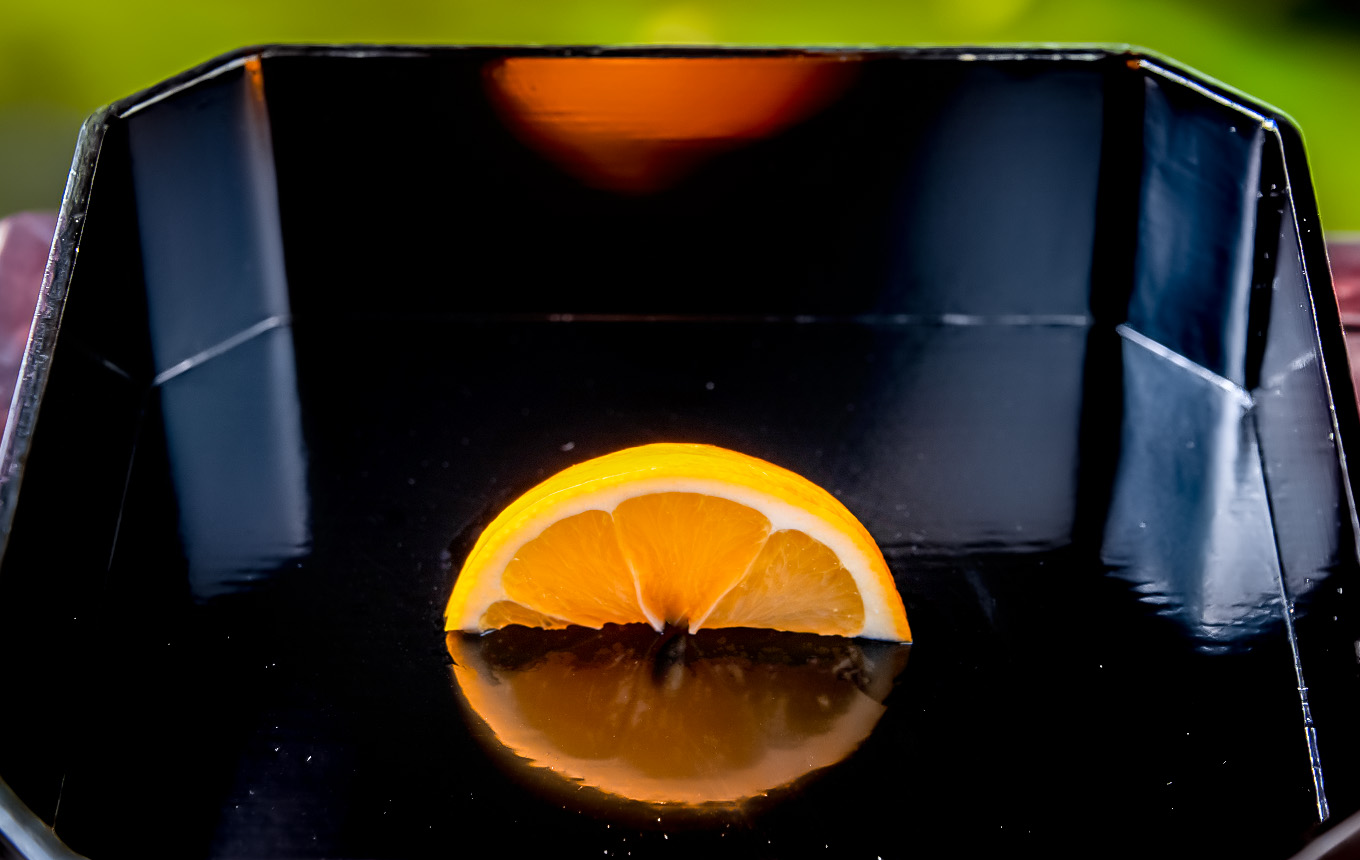
こちらも北浦雄大先生が初めて御製作した八寸盆の二つ目になります。虎渓三笑の八寸盆と対応して、山と海になっています。
料理
雪の華
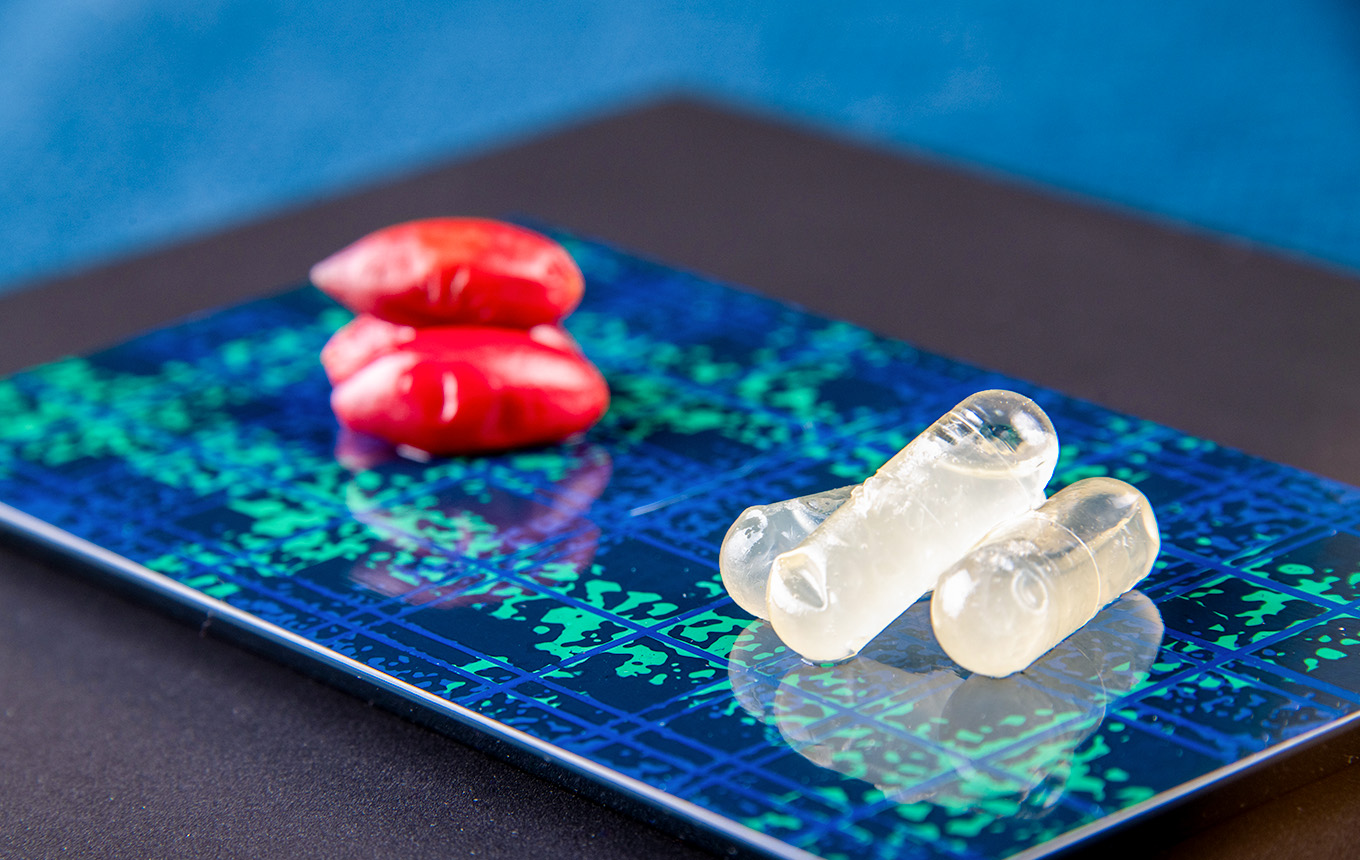
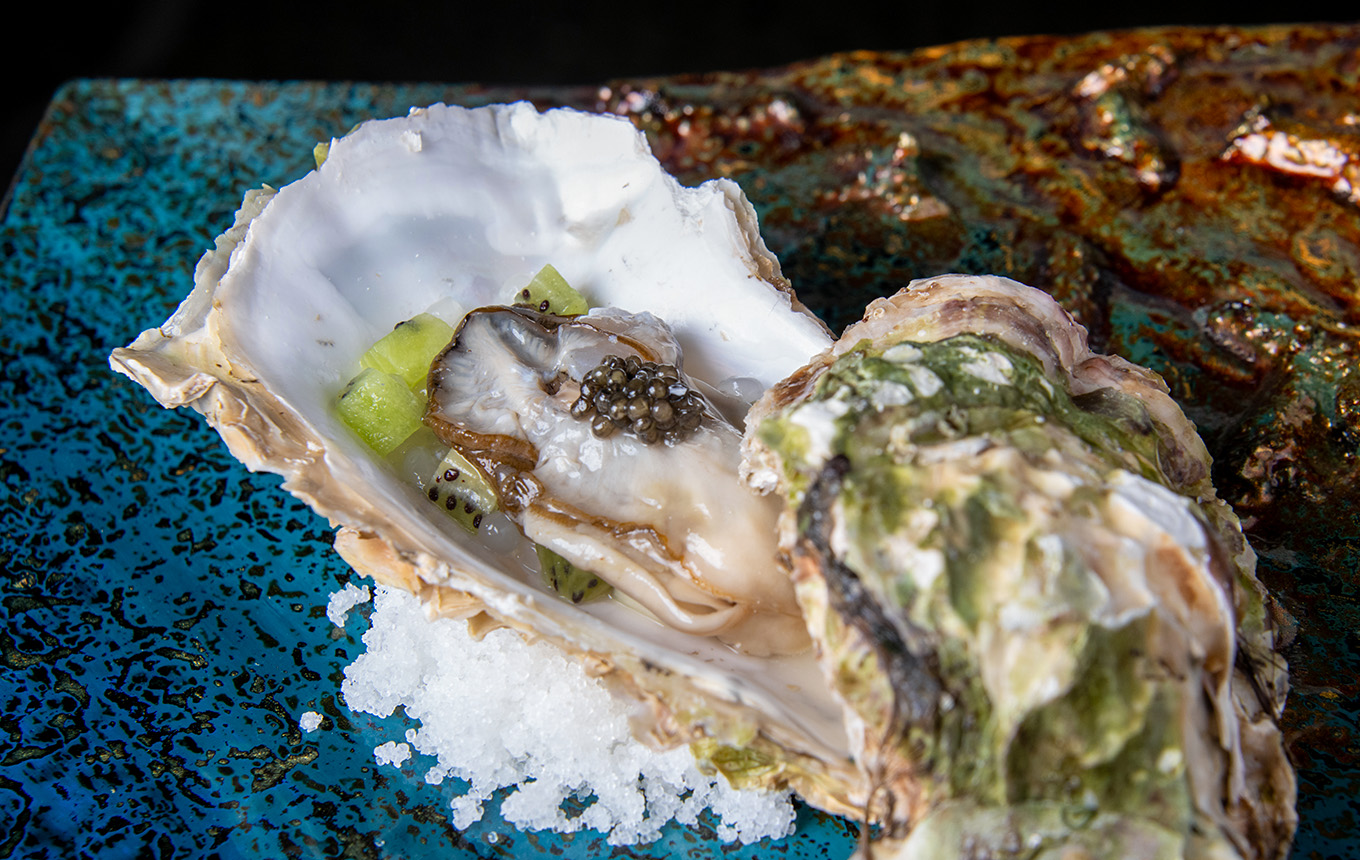
牡蠣を敷く食べられない土台です。塩メレンゲに赤い花をすりつぶした線を引いて “雪の華”を表現しています。
牡蠣
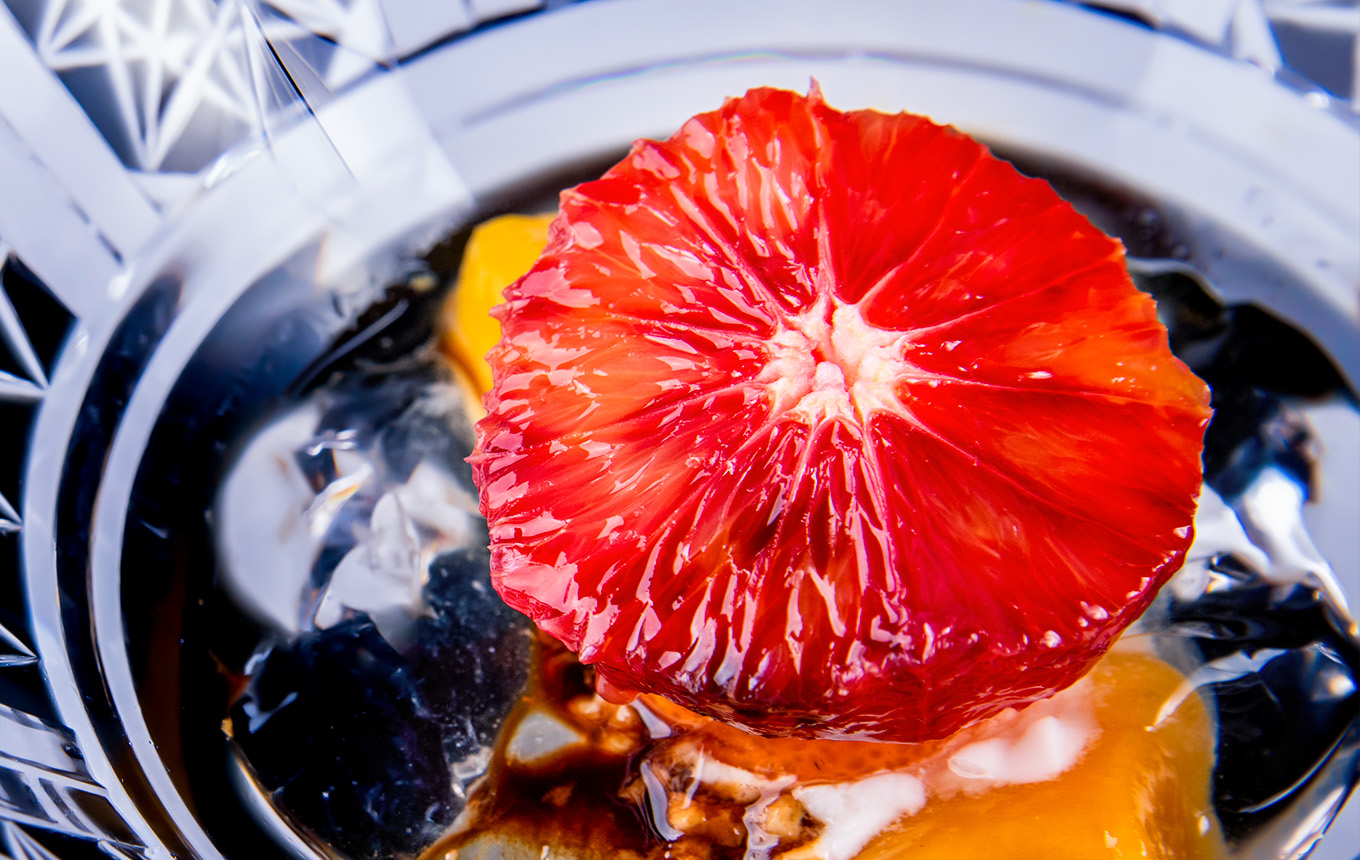
牡蠣の下には、さらにたくさんのキャビアが隠れていて、加えてダイス状にした国産キウイと、日本の牛乳で浸したパールタピオカ、ライム搾り汁が入っています。上には宮崎キャビアがついています。
議論
食材を掘り下げるとは、いろいろ考え方がありますが、一つここでのテーマが食材同士の風味ペアリングです。そのためこの写真では、風味ペアリングで世界で有名な「キウイトル」だとわかるような特別皿一にしています。
また、海の境界という八寸盆に乗せる食材として、生産者と消費者を繋げるために熱く活動している青木裕康さんから教えていただいた、佐藤養殖所の国立公園のすんだ川と海が交わるところで育てられた上に海水浄化技術を使った的矢牡蠣を使用しています。それと宮崎キャビアのこれら二つの食材は、一つ前の料理と合わせて、日本の素晴らしい養殖業を世界にもっと発信して知ってもらう役割を持っています。
ここでキャビアを使う目的に関してですが、キャビアを選ぶ = 外国人に対して、自分のストーリーを日本の食材で表現するだけでなく、外国の方が高級食材として馴染み深い食材を使うことで、寄り添う、という意味合いがあります。ただし少しキャビアを入れることでお客様に中途半端に寄り添うのではなく、キャビアを食材として突き詰めるなら、大量に入れ、さらにその大部分を隠すプレゼンテーションを採用しています。食べた時に牡蠣の最初半分は美味しい牡蠣をしっかり食べてるという感じがして、途中から牡蠣がクリームとして、キャビアをサポートする全体の味のバランスの一部になる一品です。
Overview
Special Plates One and Two share two overarching themes.
The first theme is Mountain and Sea.
The second is Vertical and Horizontal exploration:
- Special Plate One focuses on deepening a single ingredient,
- Special Plate Two focuses on deepening technique and method.
Vessel
This is the second Hassun tray ever created by Yudai Kitaura.
It is designed as a counterpart to the Kokei Sanshō tray, expressing the relationship between mountain and sea.
Dish
Snow Flower
An inedible base upon which the oyster is placed.
Salt meringue is shaped and brushed with a crushed red flower pigment, creating the image of “Yuki no Hana” (Snow Flower).
Oyster
Beneath the oyster lies a hidden abundance of caviar, layered with:
- Diced Japanese kiwi
- Pearl tapioca soaked in Japanese milk
- Fresh lime juice
On top sits Miyazaki caviar.
Discussion
“Deepening an ingredient” can be interpreted in many ways.
Here, the central approach is flavor pairing between ingredients.
For this reason, Special Plate One is intentionally composed so that the pairing with kiwi is immediately recognizable—referencing the globally known concept of “Kiwi–Oyster” flavor affinity.
As a dish placed on a Hassun tray representing the boundary of the sea, the oyster is sourced from Satō Aquaculture, recommended by Hiroyasu Aoki, who is deeply committed to connecting producers and consumers.
These Matoya oysters are raised where pristine river water meets the sea within a national park and further refined using seawater purification technology.
Together with Miyazaki caviar—and in dialogue with the preceding dish—this plate serves to communicate the excellence of Japan’s aquaculture industry to the world.
On the Use of Caviar
Choosing caviar is not only about expressing my story through Japanese ingredients, but also about meeting international guests halfway by using an ingredient they already associate with luxury.
However, rather than using a small amount as a symbolic gesture, I commit fully to caviar as an ingredient—using it generously and hiding most of it within the dish.
When eaten, the first half delivers the clear sensation of enjoying a pristine oyster.
Midway through, the oyster transforms into a creamy element that supports and integrates the caviar, becoming part of the overall balance rather than the dominant voice.