白珪尚可磨 Simple to Spectacular
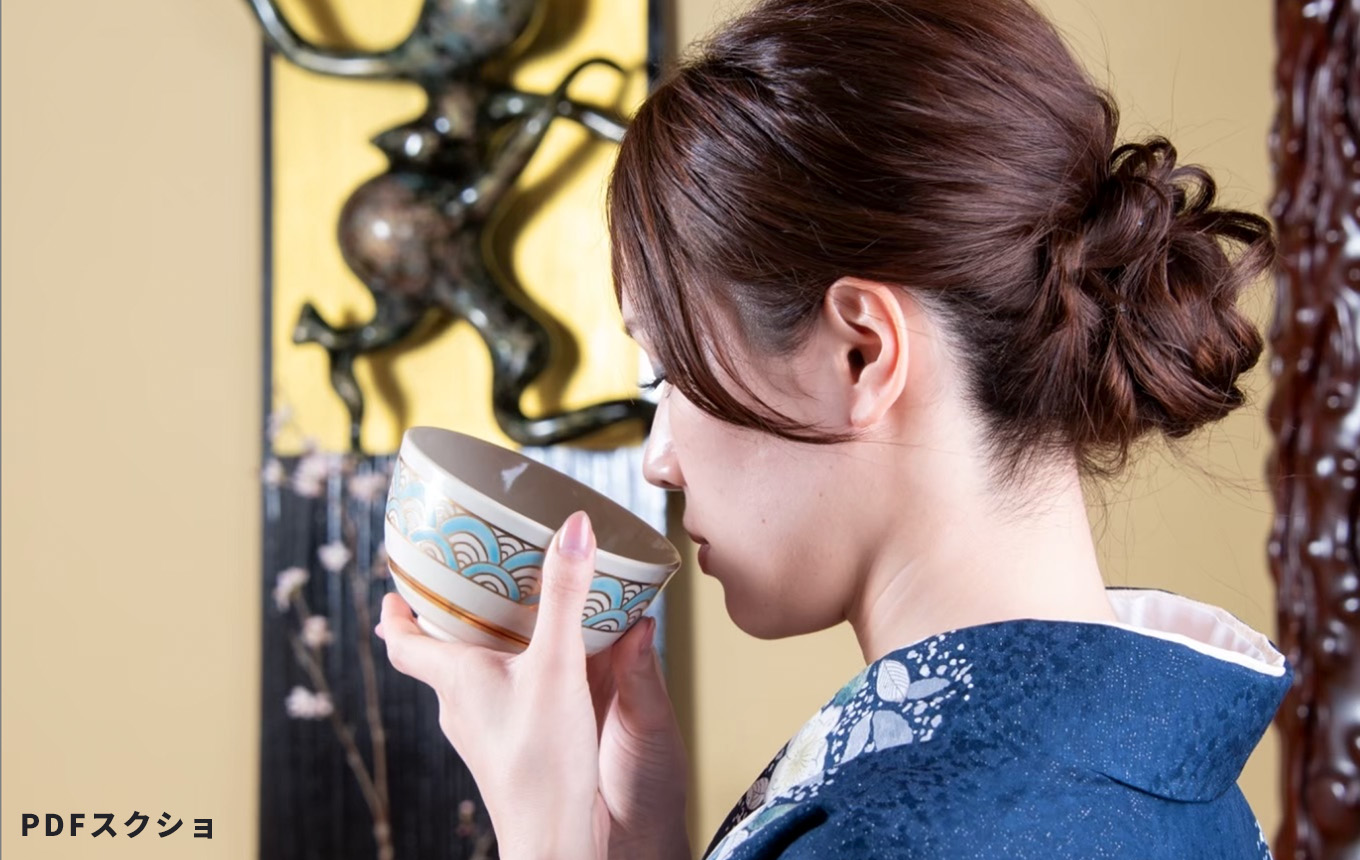
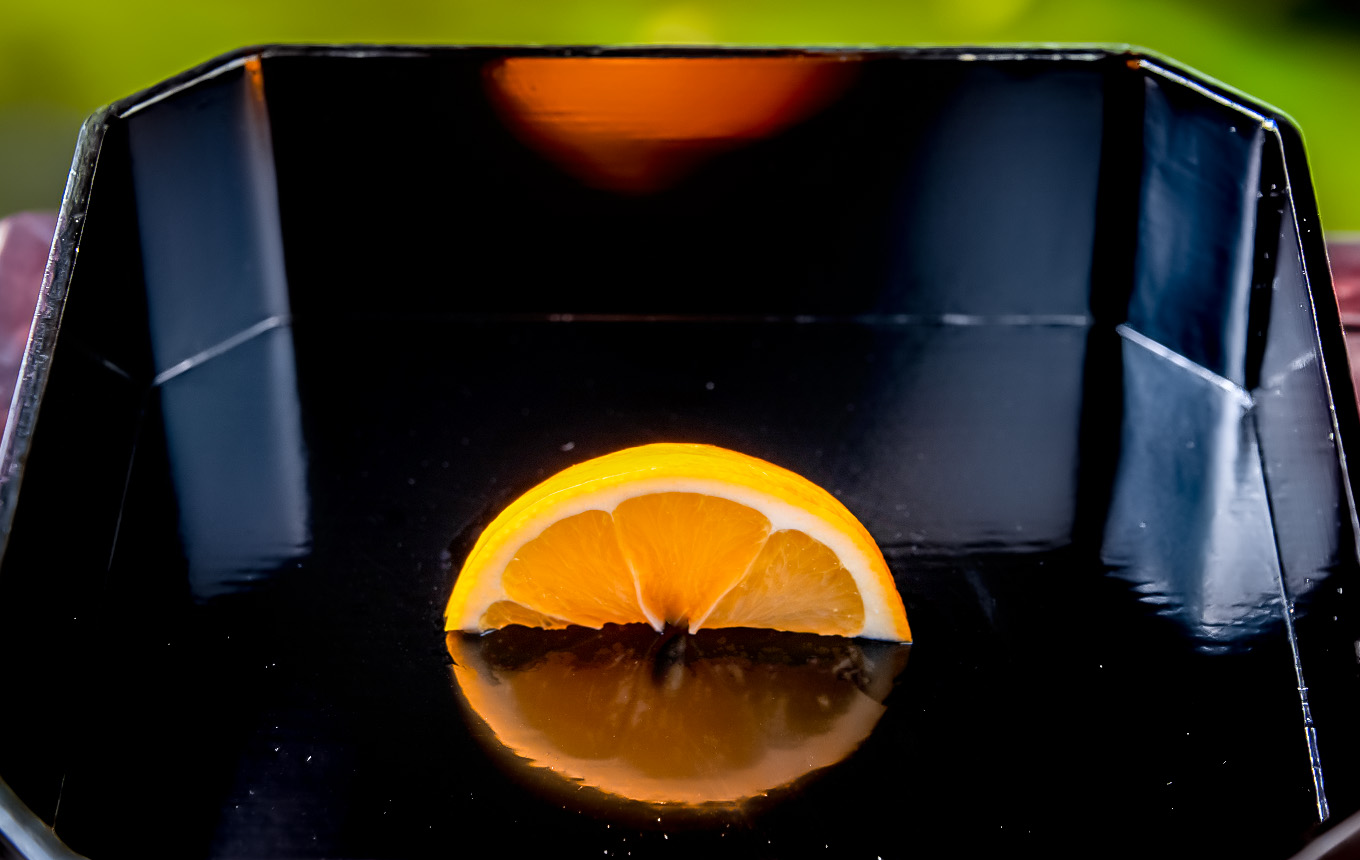
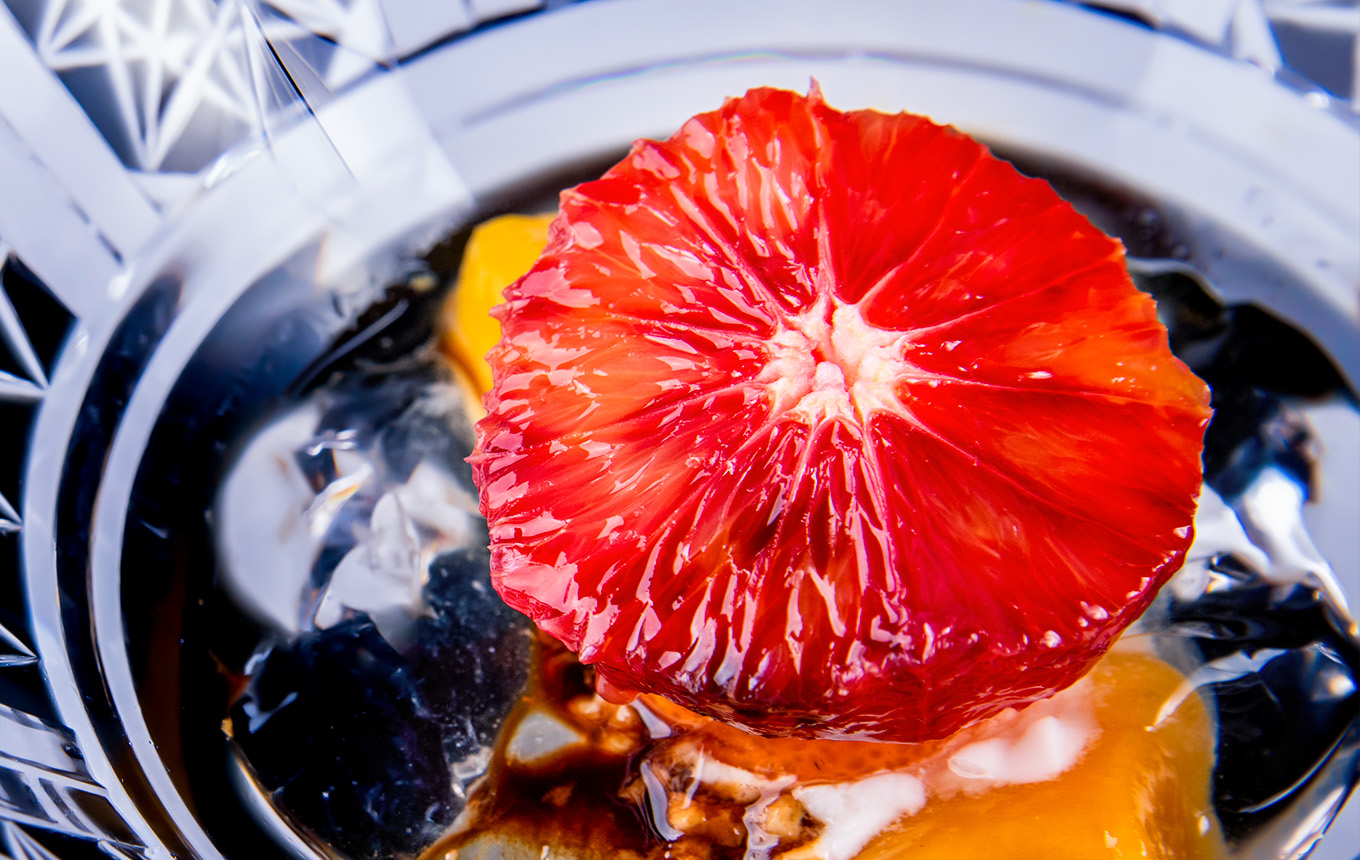
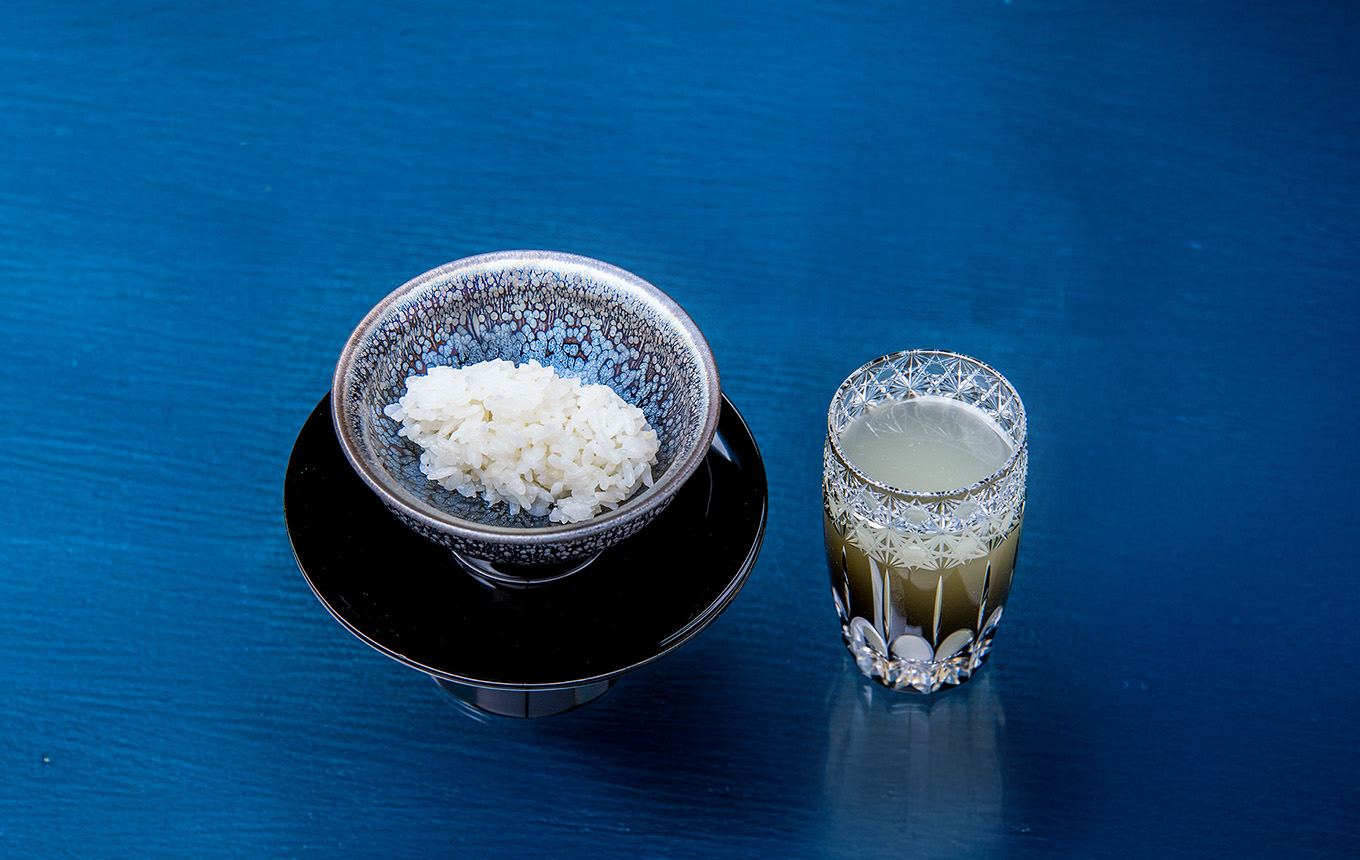
天目茶碗+天目台+江戸切子
Rice
Simple to Spectacular
概要
唯一無二のここでしか出会えない特別な白ご飯体験。魔法の白ごはんとして、日本酒のマリーアージュからくる新体験。出来うる限りの隠れた工夫を加えて、旨みの余韻が口の中に残るのが特徴です。さらに塩味がします。お酒とのペアリングで、洗い流すのではなく、さらに旨みの余韻をひびかせて、さらに残り香を増幅させます。食べた後に口の中から鼻に抜ける香りを楽しむのことができるのが料理の特権です。外国の方にもわかる形で煮えばなの美味しさのような白ごはん体験を伝えたいことから生まれた一品です。食感もモチモチからシュワシュワへと万人ウケします。
器
将来的には漆の変わり塗りで作った天目茶碗と天目台に盛るという計画があります。
料理
白ごはんは炊き方の研究を重ね、いくつかの秘密の工程を経ています。
議論
どうしても白米だけだと体験として、感じ方によっては押し付けになります。海外の人に唯一無二の、心に残る白米体験を与えたい。 「ご飯料理というコースの中の一品を極める」に対する自分の答えの一つです。流れとして、最初にご飯だけ食べてもらい、なんだこれは!美味しい! となった後に、日本酒とペアリングして、日本酒にない塩味が補強され、全体として深みとふくらみが出た口の中でのマリアージュを楽しめる様になっています。
Overview
A one-of-a-kind white rice experience, available only here.
This is “magical white rice”—a new experience born from its marriage with Japanese sake.
Through as many hidden techniques as possible, the rice is prepared so that layers of umami linger in the mouth.
There is also a subtle sense of saltiness.
Rather than washing flavors away, pairing the rice with sake allows the umami to resonate further, amplifying its aromatic afterglow.
One of the great privileges of cuisine is the ability to enjoy aroma as it travels from the mouth and escapes through the nose after swallowing.
This dish was created to communicate—especially to international guests—the beauty of white rice in a form similar to the fleeting perfection of nibana (the moment rice first finishes cooking).
The texture evolves from soft and chewy to light and effervescent, making it universally appealing.
Vessel
In the future, this dish is planned to be served in a Tenmoku tea bowl and stand, crafted using a special kawari-nurilacquer technique.
Dish
The white rice itself is the result of extensive research into cooking methods.
It passes through several undisclosed processes.
Discussion
Serving plain white rice on its own can, depending on perception, feel prescriptive or one-dimensional.
My goal is to offer international guests a singular, unforgettable white rice experience—something that remains in their memory.
This dish represents one of my answers to the question:
“How far can a single bowl of rice go as one course within a tasting menu?”
The flow is intentional:
First, guests eat the rice on its own.
The reaction is often: “What is this? This is incredible.”
Then, the rice is paired with sake.
The sake reinforces the saltiness that the rice itself does not possess, creating depth and expansion in the mouth.
Together, they form a layered, resonant marriage of flavors.
This is not rice as a side dish—
it is rice as an experience.