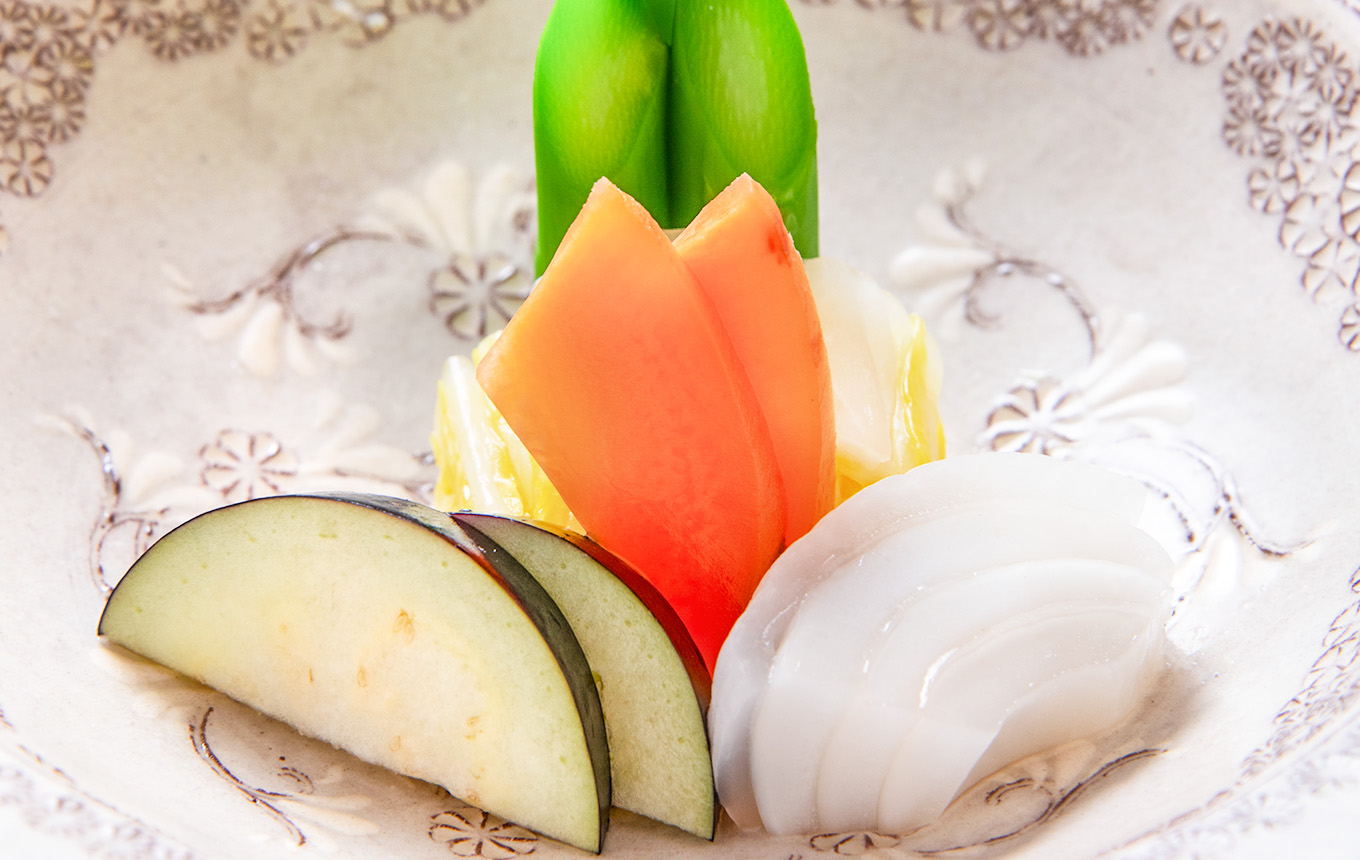
五色 Colors
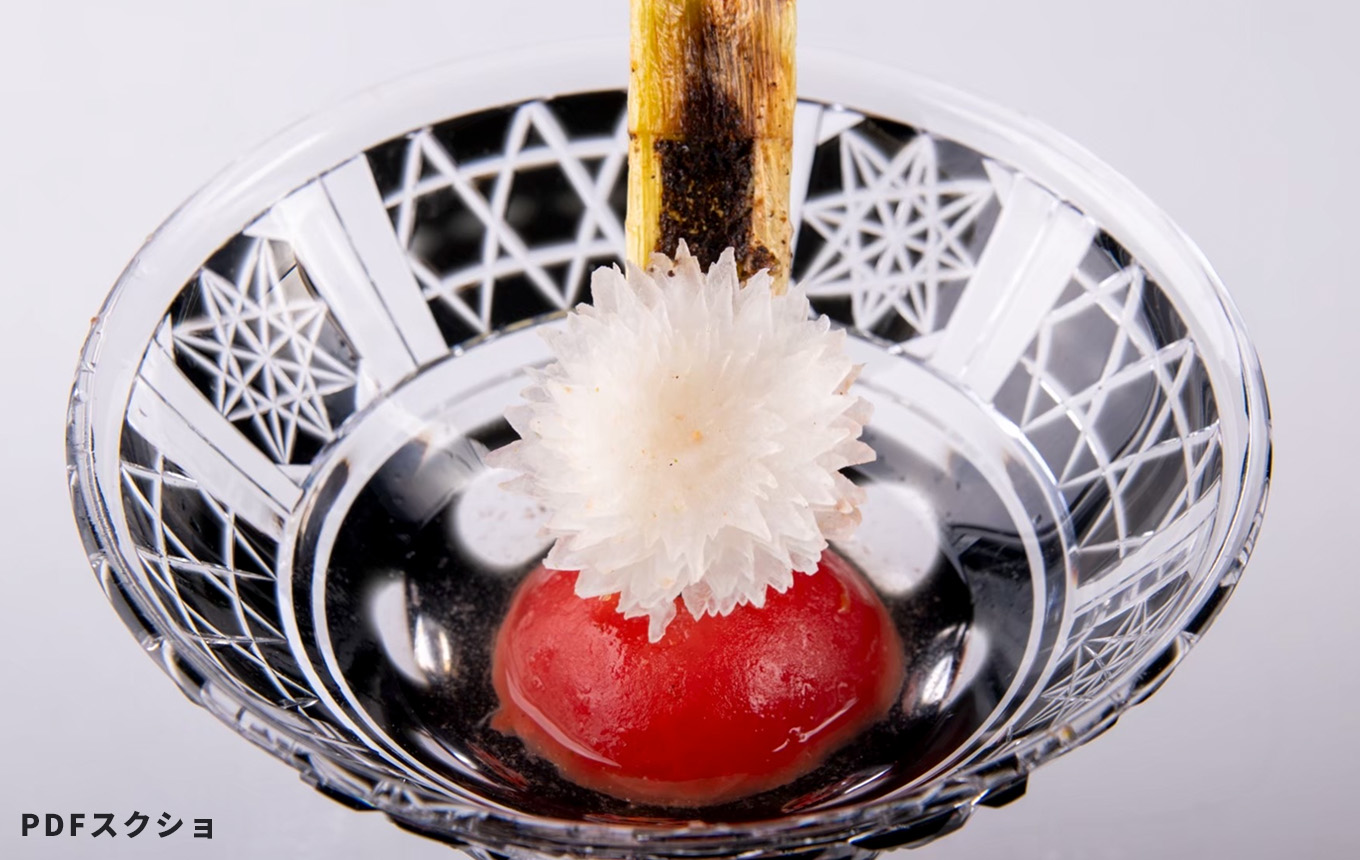
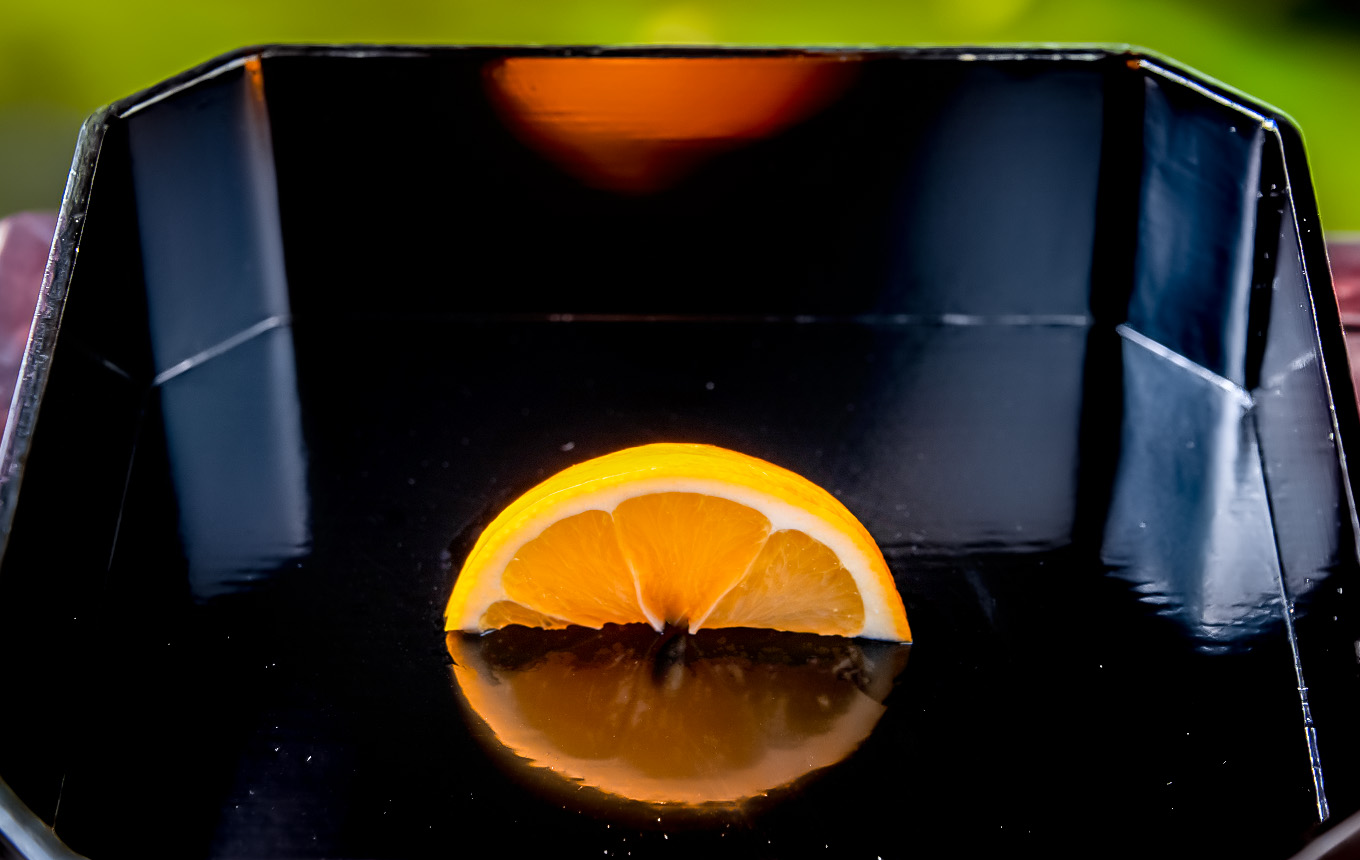
京・清水焼 朝日堂 紫彩華紋 6寸八角ボウル 陶楽
Fermentation
Colors
概要
野菜の、生きている料理です。文字通り、野菜が生きている。酵素とミネラルを含んだ生きた塩と野菜だけで作った浅漬けです。精進料理の特徴は二つだと考えています。一つ目は野菜を生き返らせて身体の中に届けること、もう一つは、野菜を代替品として使うのではなく、活かし切ることです。
器
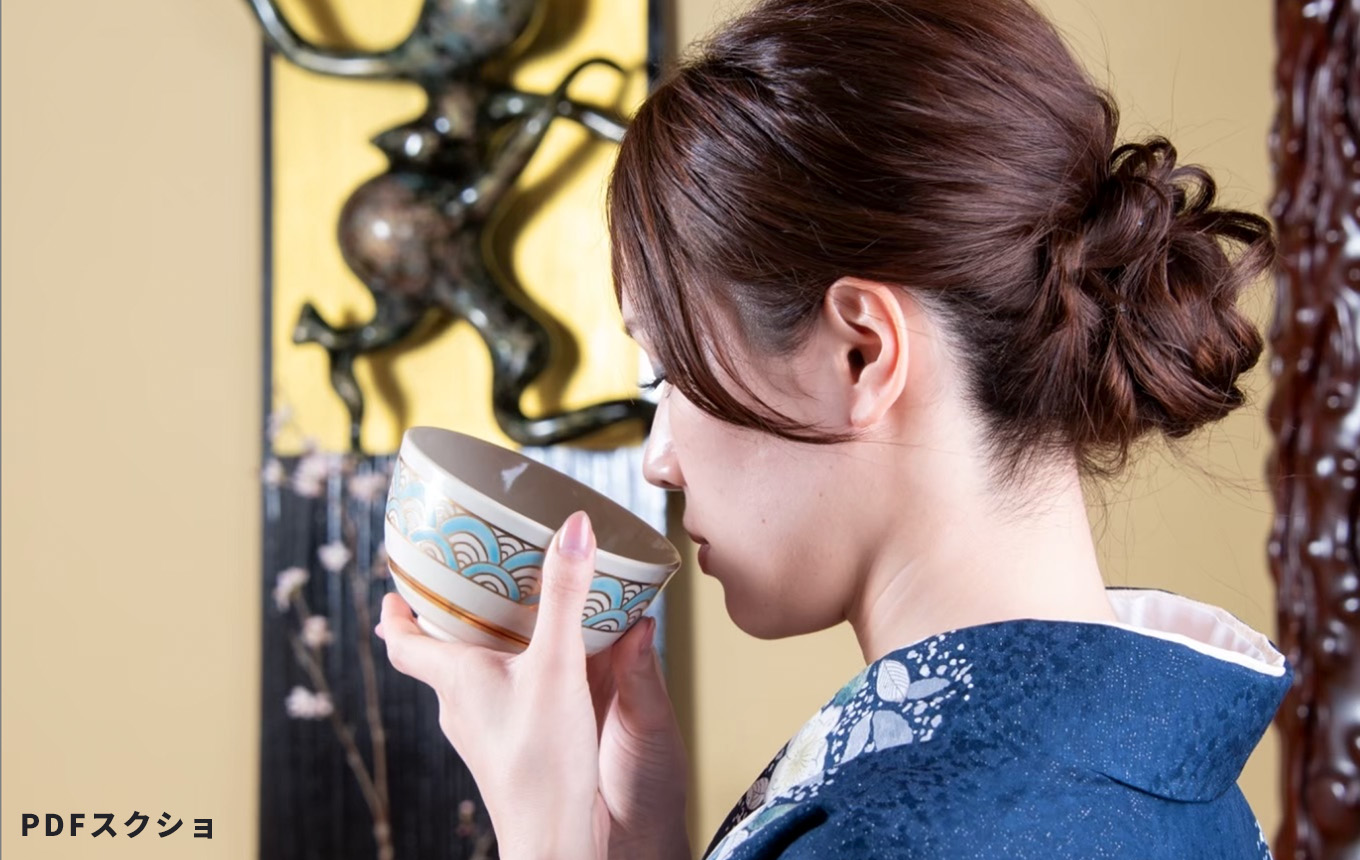
今でも記憶に残っている浅漬けが、お寺の料理を全て作っていた祖母が生前、祖母の実家に帰省した際にとても嬉しそうに自分に振舞ってくれた茗荷の浅漬けです。地元の野菜を使った浅漬けは今までの人生で食べてきた浅漬けの中で一番美味しいものでした。真っ白な器に盛ることを最初考えましたが、祖母の好んだ紫色をここでは使わせていただきました。
料理
青
アスパラガス
赤
人参
黄
発酵玉ねぎ
白
白菜
黒
茄子
議論
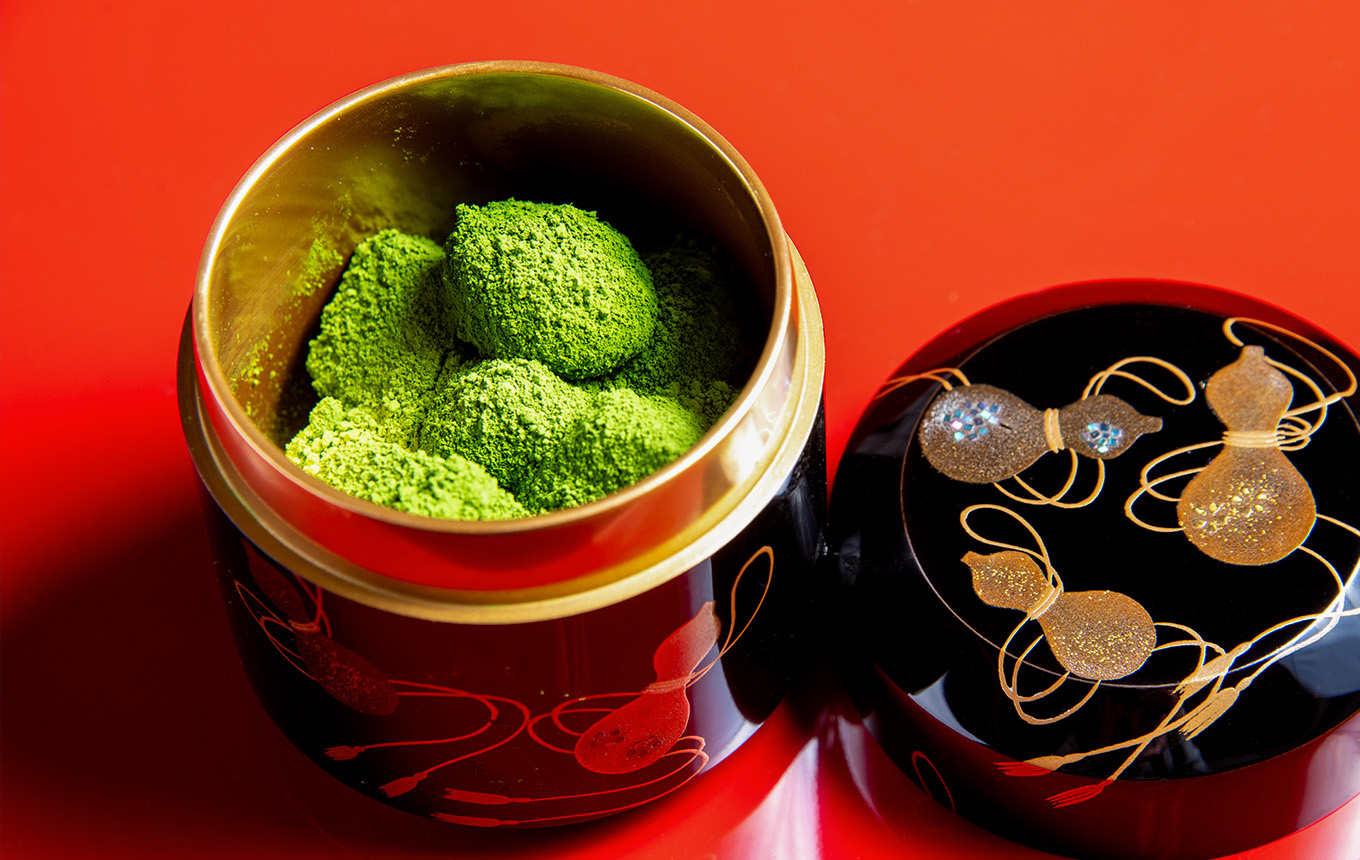
塩は料理に欠かせないものです。 作り方によって味はもちろんですが、栄養が全く異なります。採取方法にも気をつけなければ健康に悪影響を与えます。美味しい精進料理を作る際には、塩と水について研究しこだわるのが、素材を活かすために不可欠になります。
Overview
This is a living vegetable dish.
Quite literally—the vegetables are alive.
It is a light asazuke pickle made using only vegetables and living salt, rich in enzymes and minerals.
I believe shōjin cuisine has two defining characteristics.
The first is reviving vegetables and delivering them alive into the body.
The second is not using vegetables as substitutes, but allowing them to be fully themselves.
Vessel
The asazuke that remains most vivid in my memory is one my grandmother prepared when she was alive.
She cooked all the meals at her temple, and when we visited her family home, she joyfully served me a simple myōga asazuke.
Made with local vegetables, it was the most delicious asazuke I have eaten in my life.
At first, I considered serving this dish in a pure white vessel.
However, I chose purple, my grandmother’s favorite color, to carry her presence into this dish.
Dish
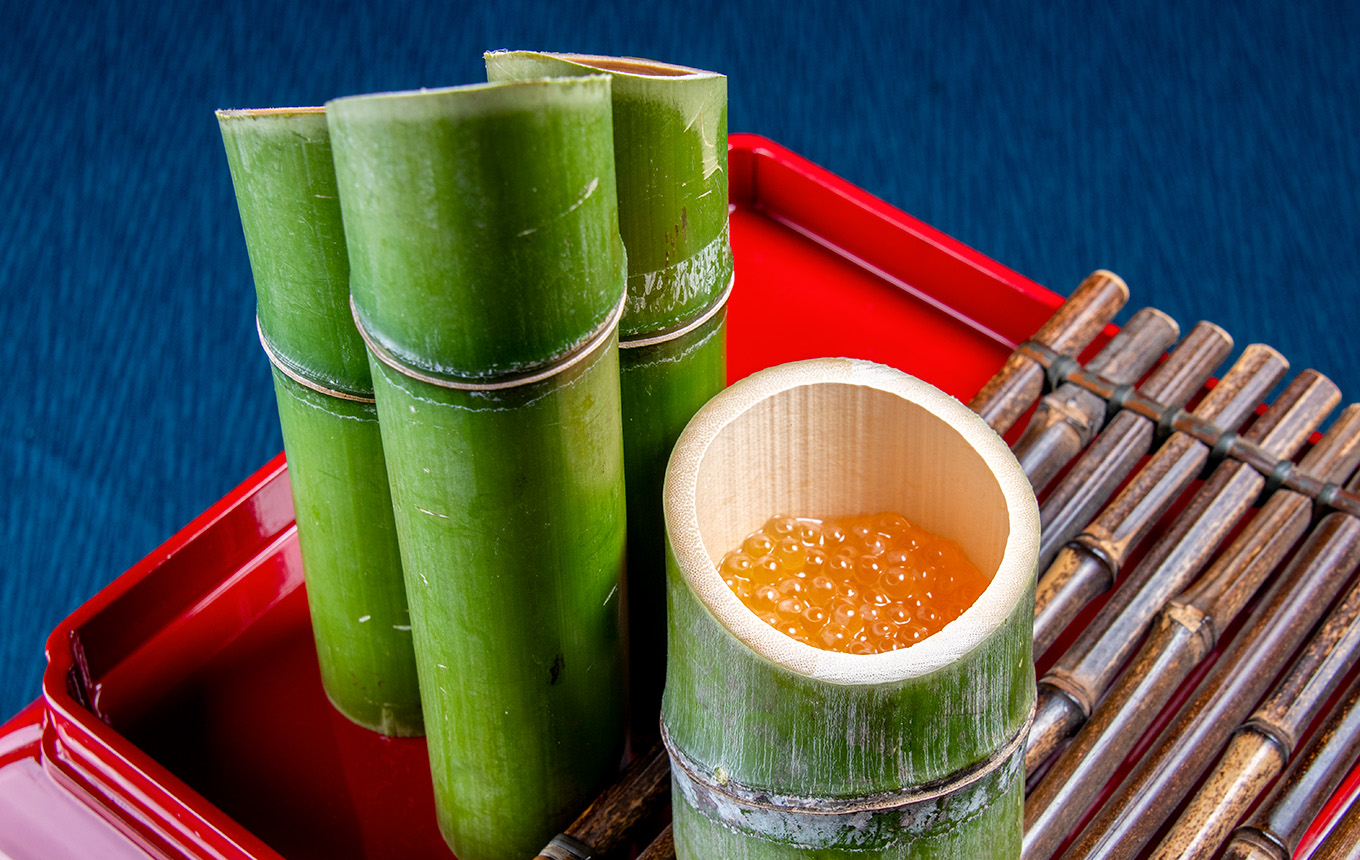
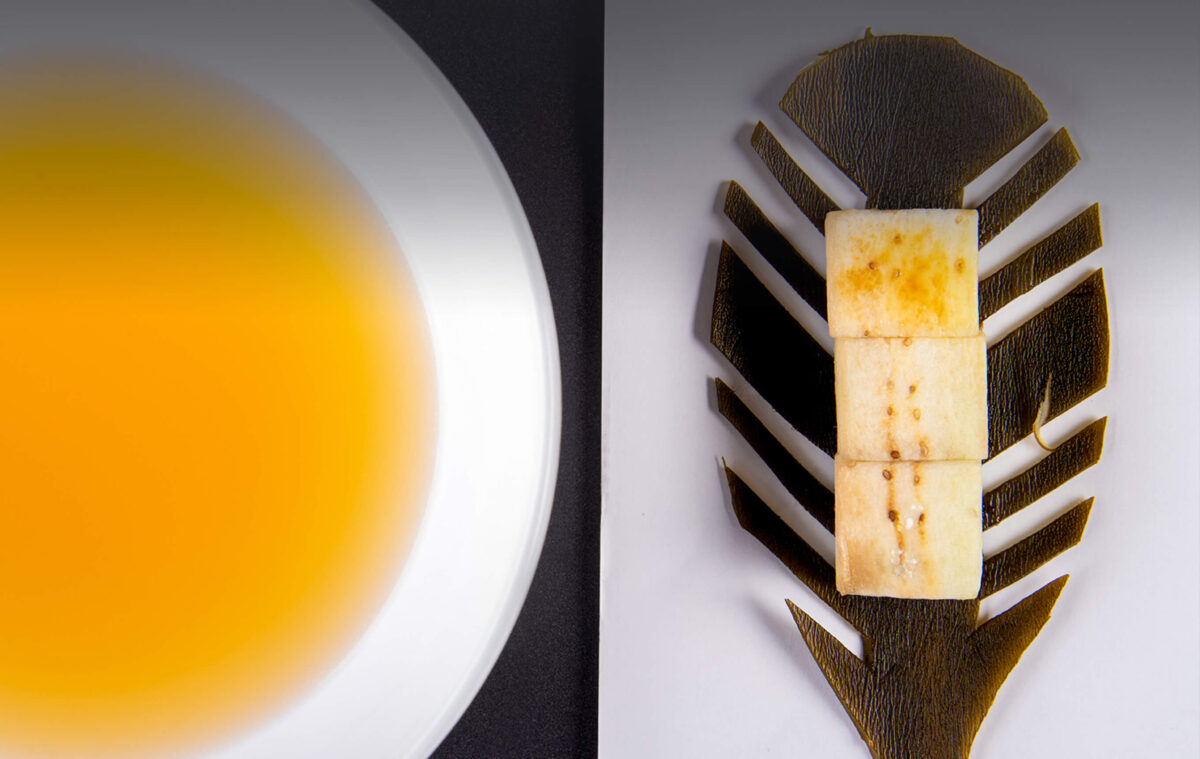
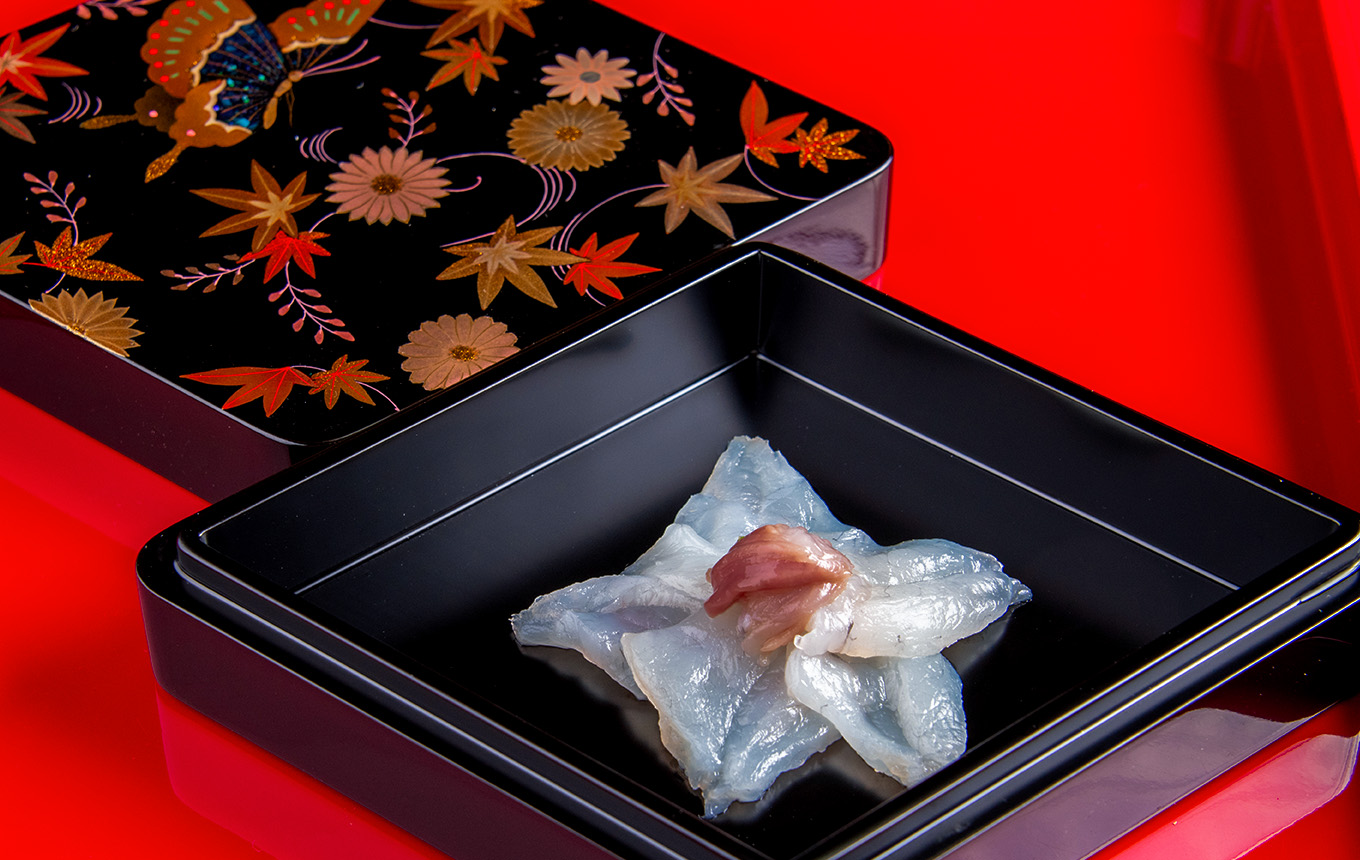
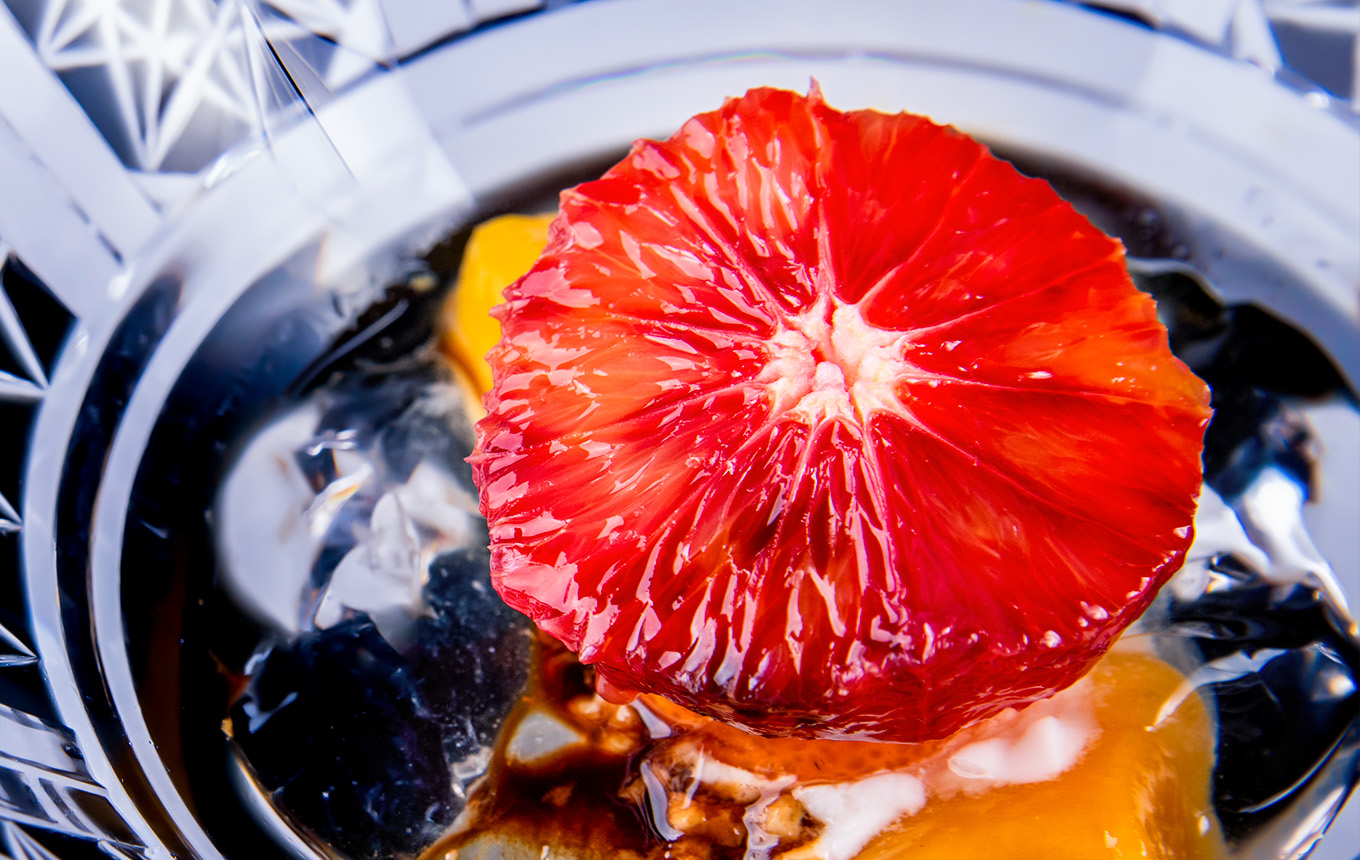
A five-color composition of living vegetables:
- Blue: Asparagus
- Red: Carrot
- Yellow: Fermented onion
- White: Napa cabbage
- Black: Eggplant
Discussion
Salt is indispensable in cooking.
Depending on how it is produced, salt differs not only in flavor, but also dramatically in nutritional composition.
Its method of extraction must be considered carefully, as improper salt can negatively affect health.
To create meaningful and delicious shōjin cuisine, deep research and commitment to salt and water are essential.
Only by understanding them can vegetables be truly brought to life.